









Visit the Zoo Travel Poster, 1936
Authentische Kunstwerke
Die von uns gedruckten Kunstwerke werden getreu nach der Originalvorlage restauriert – in der Regel aus einem Museum, einer Bibliothek oder einer privaten Sammlung. Wir ersetzen, zeichnen nicht neu und erfinden das Werk des Künstlers niemals mithilfe generativer KI.
Weihnachtslieferung & Geschenke

Direkt an die beschenkte Person senden
Fügen Sie in Ihrem Warenkorb eine Geschenknachricht hinzu und geben Sie dann an der Kasse die Lieferadresse der Empfängerin oder des Empfängers ein. Wir drucken Ihre Nachricht auf eine Karte. Dem Paket werden keine Preise beigefügt.
Lieferzeit
Die Standardlieferung ist weltweit kostenlos und dauert in der Regel etwa 3 Werktage. Sie senden ein Geschenk ins Ausland? Wir fertigen die meisten Bestellungen vor Ort, im Land der Empfängerin oder des Empfängers.
Bitte planen Sie bei personalisierten Bestellungen zusätzliche Zeit für Gestaltung und Druckfreigabe ein. Lieferdetails ansehen.
Rücksendungen: Standardbestellungen können innerhalb von 90 Tagen nach Lieferung zurückgegeben oder umgetauscht werden. Personalisierte und individuell angefertigte Stücke sind in der Regel von Rückgaben bei Nichtgefallen ausgeschlossen. Unsere Rückgaberichtlinie ansehen.
Das Angebot für Sammler
Wählen Sie zwei teilnahmeberechtigte Werke und erhalten Sie 25 % Rabatt auf beide. Sie können Karten und Kunstwerke frei kombinieren.
Es ist kein Code erforderlich. Das Angebot wird automatisch angewendet.
Vollständige Geschäftsbedingungen
Das Angebot für Sammler gilt für teilnahmeberechtigte Werke in standardmäßigen Made-to-Order-Ausführungen. Maßanfertigungen, personalisierte Designs und Auftragsarbeiten sind ausgeschlossen. Produkte mit „personalised“ oder „custom“ im Namen sind in der Regel ausgeschlossen.
Das Angebot wird als zwei separate automatische Rabatte verwaltet: einer für kleinere Formate und einer für größere Formate. Um sich zu qualifizieren, müssen Sie zwei teilnahmeberechtigte Werke innerhalb derselben Formatgruppe kaufen. Karten und Kunstdrucke können innerhalb jeder Gruppe frei kombiniert werden.
Beispielsweise erhalten Sie beim Kauf von zwei teilnahmeberechtigten Drucken im Format A4 oder 8 × 10 Zoll 25 % Rabatt auf beide. Ein Druck im kleineren Format und ein Werk im größeren Format qualifizieren sich nicht gemeinsam, da Artikel aus unterschiedlichen Formatgruppen nicht kombiniert werden können, um die Voraussetzung von zwei Artikeln zu erfüllen.
Es ist kein Rabattcode erforderlich. Jeder qualifizierende Rabatt wird automatisch in Ihrem Warenkorb und an der Kasse angewendet.
Größe wählen
Ausführung wählen


(Mehr Infos)
Geschenkmitteilung & individuelle Ausführung

Wenn Sie eine Geschenkmitteilung oder eine Ausführung (Puzzle, Aluminiumplatte usw.) hinzufügen möchten, die hier nicht verfügbar ist, geben Sie dies bitte in der "Bestellnotiz" beim Checkout an.
Jede Bestellung wird individuell angefertigt. Wenn Sie die Größe leicht anpassen oder auf einem ungewöhnlichen Material drucken lassen möchten, lassen Sie es uns einfach wissen. Wir haben im Laufe der Jahre Tausende von individuellen Bestellungen bearbeitet, daher gibt es (fast) nichts, was wir nicht bewältigen können.
Sie können uns auch kontaktieren, bevor Sie bestellen, wenn Sie möchten!
- Hergestellt in Australia. Sicher geliefert
- Kommt einwandfrei an – oder wir ersetzen es
-
Weihnachtslieferung & Geschenke Weihnachtslieferung & Geschenke
![Ein Beispiel der gedruckten Geschenknachrichtenkarte in voller Größe anzeigen]()
Direkt an die beschenkte Person senden
Fügen Sie in Ihrem Warenkorb eine Geschenknachricht hinzu und geben Sie dann an der Kasse die Lieferadresse der Empfängerin oder des Empfängers ein. Wir drucken Ihre Nachricht auf eine Karte. Dem Paket werden keine Preise beigefügt.
Lieferzeit
Die Standardlieferung ist weltweit kostenlos und dauert in der Regel etwa 3 Werktage. Sie senden ein Geschenk ins Ausland? Wir fertigen die meisten Bestellungen vor Ort, im Land der Empfängerin oder des Empfängers.
Bitte planen Sie bei personalisierten Bestellungen zusätzliche Zeit für Gestaltung und Druckfreigabe ein. Lieferdetails ansehen.
Rücksendungen: Standardbestellungen können innerhalb von 90 Tagen nach Lieferung zurückgegeben oder umgetauscht werden. Personalisierte und individuell angefertigte Stücke sind in der Regel von Rückgaben bei Nichtgefallen ausgeschlossen. Unsere Rückgaberichtlinie ansehen.
- Hilfe bei der Bestellung?
Beliebt bei Sammlern, Designern und Geschenksuchenden
Über 8.000 5-Sterne-Bewertungen


Visit the Zoo, issued in 1936, makes its appeal through two monumental, stylised birds and a command reduced to its essentials. Their...
WeiterlesenVisit the Zoo, issued in 1936, makes its appeal through two monumental, stylised birds and a command reduced to its essentials. Their crisply outlined bodies rise against a cool blue field, while a vivid red beak and touches of orange punctuate the restrained palette. Below, the word “ZOO” is enlarged into a graphic anchor: broad grey letterforms edged in red and set against black, immediately legible even at a distance.
The credit “Federal Art Project, W. P. A. Pennsylvania” places the poster within one of the most distinctive episodes in American public art. Established during the Great Depression as part of the Works Progress Administration, the Federal Art Project employed artists to create murals, exhibitions, educational material and posters for civic institutions and public programmes. Here, the streamlined language of interwar advertising is directed towards an accessible leisure activity. A visit to the zoo is presented not through a detailed scene, but through modern typography, simplified animal forms and an emphatic call to action.
A closer look
The two birds dominate the vertical composition, their overlapping forms creating a compact, almost heraldic arrangement. One is seen chiefly in profile, its long red beak projecting sharply into the blue. Across the bodies, fine linear markings articulate feathers and contours without disturbing the poster’s bold silhouette. Grey, brown and white plumage is enlivened by small areas of warmer colour, allowing the birds to remain descriptive while also functioning as decorative shapes.
Behind them, pale and deeper blues move in broad, curving bands. These smooth forms suggest atmosphere and depth without specifying a habitat, keeping attention fixed on the animals themselves. The contrast between this flowing upper field and the dark rectangular area below is particularly effective: organic curves give way to firm horizontals, and illustration yields to typography.
The hierarchy of the lettering is carefully controlled. “VISIT THE” appears as an introduction, while “ZOO” carries the full visual weight of the message. Its oversized letters nearly become architecture, forming a solid base beneath the birds. A narrow maroon-red line above the word reinforces the division between subject and slogan, while repeating the warm accent of the beak. Even the smaller institutional credit at the bottom participates in the design’s descending scale, moving from spectacle to instruction to authorship.
Context and significance
Posters produced through the Federal Art Project often combined public information with the visual economy of contemporary commercial design. Art Deco geometry and modernist simplification were especially suited to streets, stations and civic buildings, where a message needed to register quickly among competing distractions. Visit the Zoo follows that logic closely: there is no crowded menagerie, no landscape and no narrative episode. Two animals are enough to establish curiosity, while the typography supplies the destination.
The individual artist is not identified here, yet the poster retains the collective character associated with WPA design: direct, practical and visually assured. Its appeal lies in the tension between observation and abstraction—the feather markings reward close attention, but the red, blue, grey and black shapes remain forceful from afar. What begins as a simple invitation becomes a concise example of how 1930s public graphic art could make education and recreation feel immediate, democratic and distinctly modern.
Choosing the right size and finish
Artwork can feel intimate at smaller sizes and dramatically more architectural at larger ones. Use the room preview, model image and size guide to see how the proportions and scale will work in your space.
If you need an exact size, specialist framing or help planning a larger display, ask our workshop for advice.
The model in the listing images is holding the 18x24in (45x60cm) version of this art print.
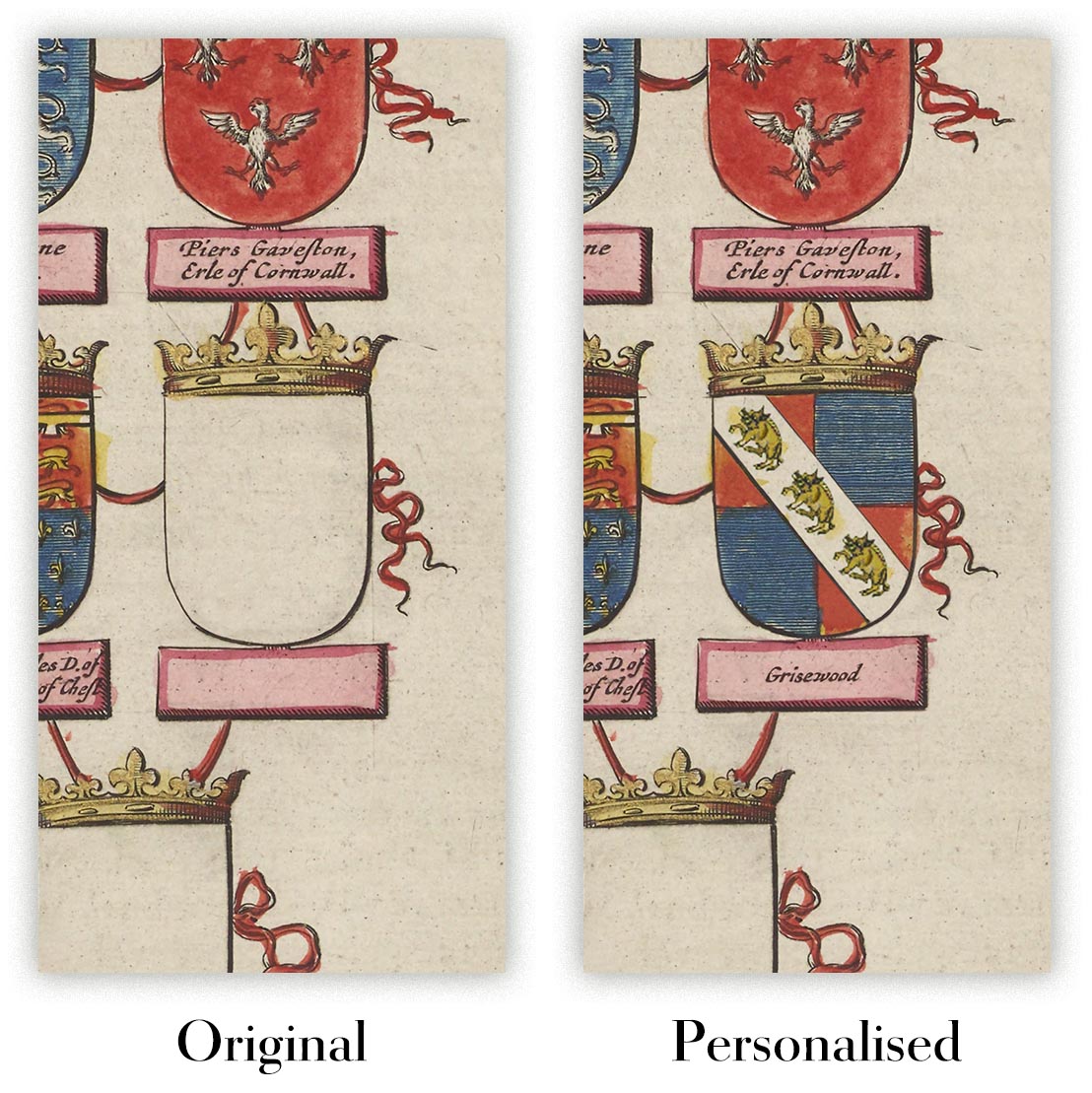
Where personalisation is available, you can add a short title or dedication, or one considered visual detail. See examples of personalised artwork.
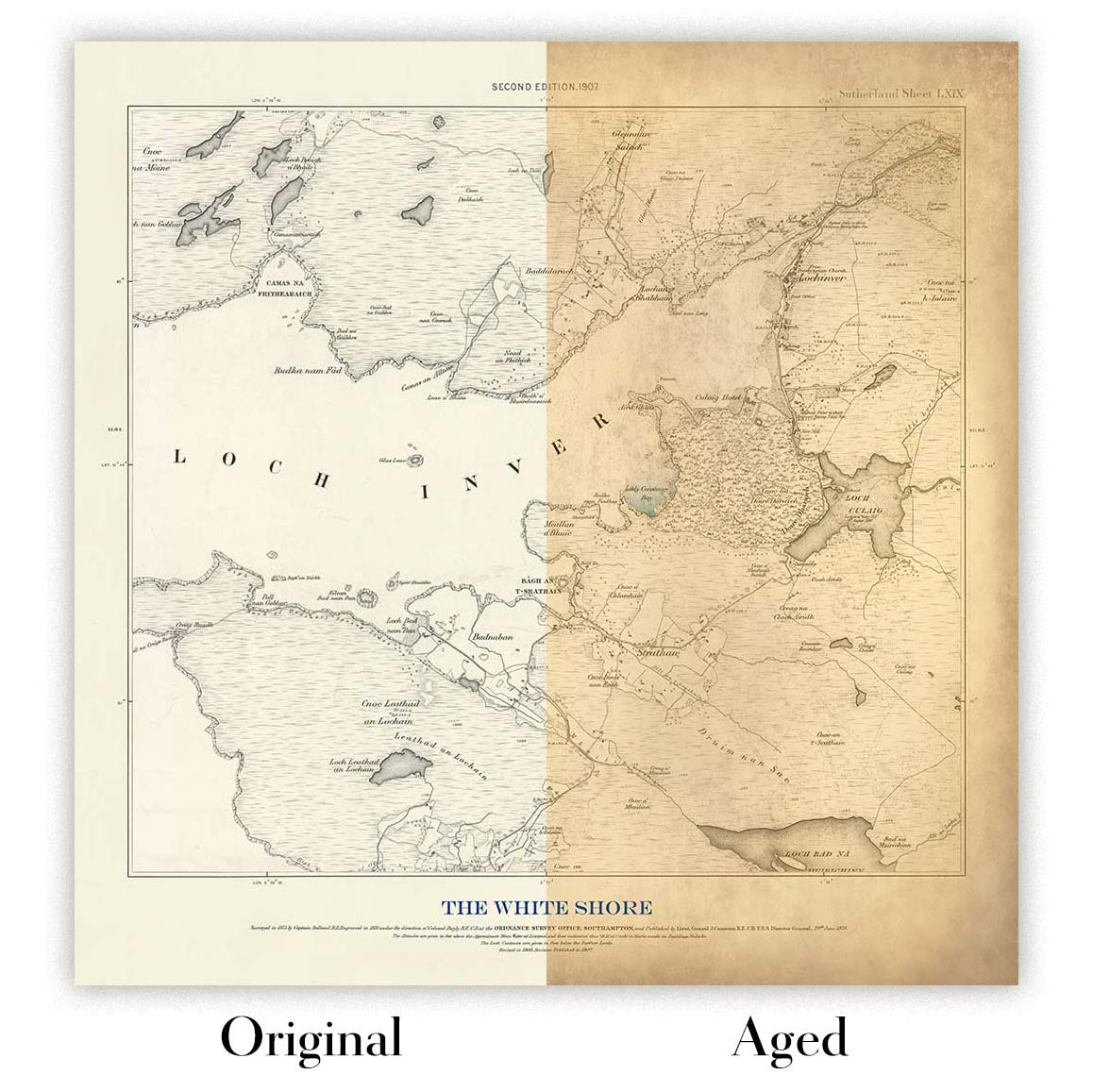
Choose Original to retain the colour and character of the source artwork, or Aged for a warmer, more antique appearance. See examples of our Aged artwork.
Every piece is produced to archival standards using fade-resistant pigment inks on acid-free matte art paper. Choose an art print, framed art print or framed canvas using the finish options above.
Framed art prints use crystal-clear optical acrylic for excellent clarity, lower weight and safer delivery than glass. Each piece arrives professionally framed and ready to hang.
Selected artworks can be produced at statement sizes up to 3 metres (10ft). Custom sizing and specialist framing are also available. If the exact option you need is not listed, contact our workshop.
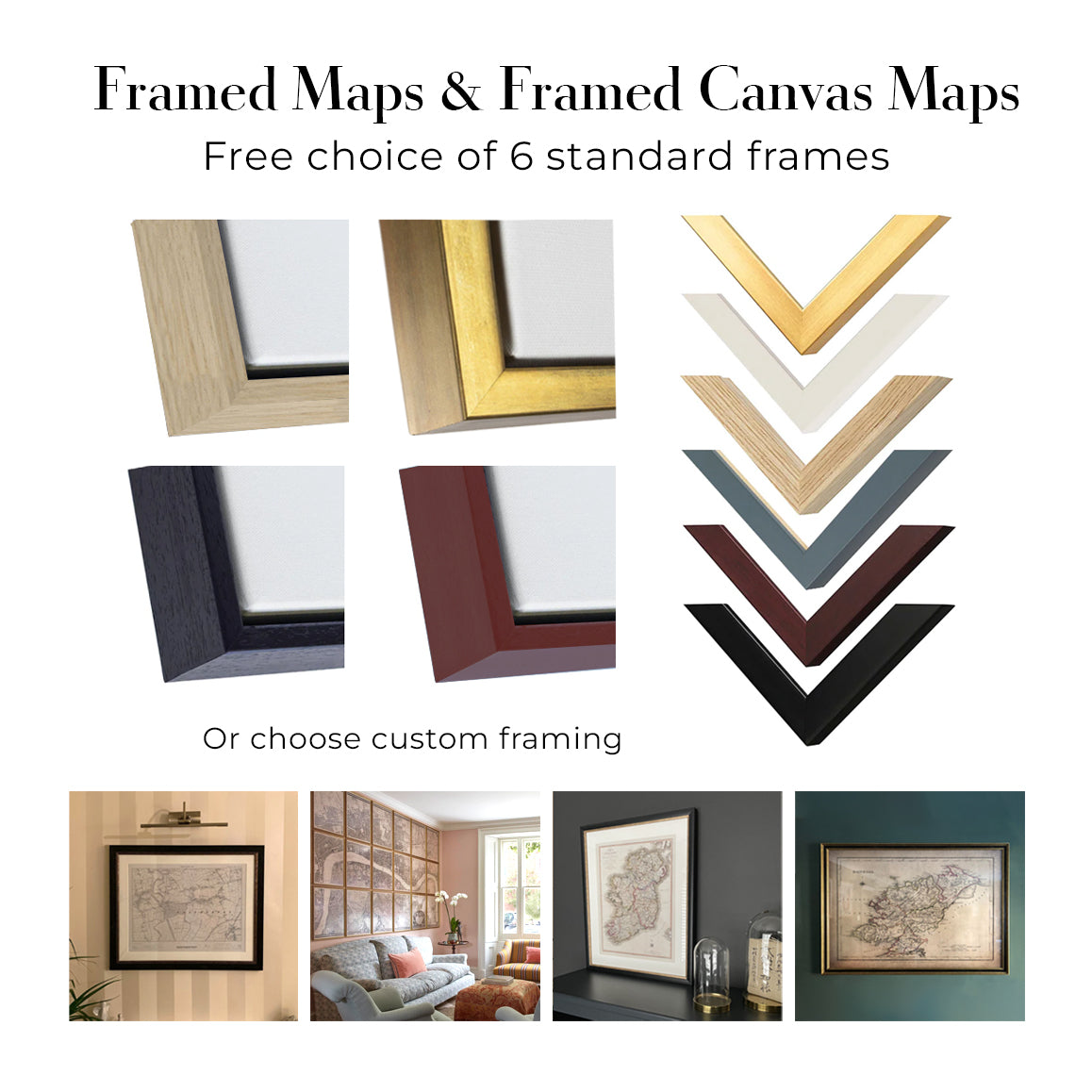
This artwork is also available as a float framed canvas, sometimes known as a shadow gap framed canvas or canvas floater. The work is printed on artist's cotton canvas and then stretched over a handmade box frame. We then "float" the canvas inside a wooden frame, which is available in a range of colours (black, dark brown, oak, antique gold and white). This is a wonderful way to present an art print without glazing in front. See some examples of float framed canvas art and explore the differences between my different finishes.
Visit the Zoo, issued in 1936, makes its appeal through two monumental, stylised birds and a command reduced to its essentials. Their crisply outlined bodies rise against a cool blue field, while a vivid red beak and touches of orange punctuate the restrained palette. Below, the word “ZOO” is enlarged into a graphic anchor: broad grey letterforms edged in red and set against black, immediately legible even at a distance.
The credit “Federal Art Project, W. P. A. Pennsylvania” places the poster within one of the most distinctive episodes in American public art. Established during the Great Depression as part of the Works Progress Administration, the Federal Art Project employed artists to create murals, exhibitions, educational material and posters for civic institutions and public programmes. Here, the streamlined language of interwar advertising is directed towards an accessible leisure activity. A visit to the zoo is presented not through a detailed scene, but through modern typography, simplified animal forms and an emphatic call to action.
A closer look
The two birds dominate the vertical composition, their overlapping forms creating a compact, almost heraldic arrangement. One is seen chiefly in profile, its long red beak projecting sharply into the blue. Across the bodies, fine linear markings articulate feathers and contours without disturbing the poster’s bold silhouette. Grey, brown and white plumage is enlivened by small areas of warmer colour, allowing the birds to remain descriptive while also functioning as decorative shapes.
Behind them, pale and deeper blues move in broad, curving bands. These smooth forms suggest atmosphere and depth without specifying a habitat, keeping attention fixed on the animals themselves. The contrast between this flowing upper field and the dark rectangular area below is particularly effective: organic curves give way to firm horizontals, and illustration yields to typography.
The hierarchy of the lettering is carefully controlled. “VISIT THE” appears as an introduction, while “ZOO” carries the full visual weight of the message. Its oversized letters nearly become architecture, forming a solid base beneath the birds. A narrow maroon-red line above the word reinforces the division between subject and slogan, while repeating the warm accent of the beak. Even the smaller institutional credit at the bottom participates in the design’s descending scale, moving from spectacle to instruction to authorship.
Context and significance
Posters produced through the Federal Art Project often combined public information with the visual economy of contemporary commercial design. Art Deco geometry and modernist simplification were especially suited to streets, stations and civic buildings, where a message needed to register quickly among competing distractions. Visit the Zoo follows that logic closely: there is no crowded menagerie, no landscape and no narrative episode. Two animals are enough to establish curiosity, while the typography supplies the destination.
The individual artist is not identified here, yet the poster retains the collective character associated with WPA design: direct, practical and visually assured. Its appeal lies in the tension between observation and abstraction—the feather markings reward close attention, but the red, blue, grey and black shapes remain forceful from afar. What begins as a simple invitation becomes a concise example of how 1930s public graphic art could make education and recreation feel immediate, democratic and distinctly modern.
Choosing the right size and finish
Artwork can feel intimate at smaller sizes and dramatically more architectural at larger ones. Use the room preview, model image and size guide to see how the proportions and scale will work in your space.
If you need an exact size, specialist framing or help planning a larger display, ask our workshop for advice.
The model in the listing images is holding the 18x24in (45x60cm) version of this art print.
Where personalisation is available, you can add a short title or dedication, or one considered visual detail. See examples of personalised artwork.
Choose Original to retain the colour and character of the source artwork, or Aged for a warmer, more antique appearance. See examples of our Aged artwork.
Every piece is produced to archival standards using fade-resistant pigment inks on acid-free matte art paper. Choose an art print, framed art print or framed canvas using the finish options above.
Framed art prints use crystal-clear optical acrylic for excellent clarity, lower weight and safer delivery than glass. Each piece arrives professionally framed and ready to hang.
Selected artworks can be produced at statement sizes up to 3 metres (10ft). Custom sizing and specialist framing are also available. If the exact option you need is not listed, contact our workshop.
This artwork is also available as a float framed canvas, sometimes known as a shadow gap framed canvas or canvas floater. The work is printed on artist's cotton canvas and then stretched over a handmade box frame. We then "float" the canvas inside a wooden frame, which is available in a range of colours (black, dark brown, oak, antique gold and white). This is a wonderful way to present an art print without glazing in front. See some examples of float framed canvas art and explore the differences between my different finishes.
Viele unserer Karten und Kunstdrucke werden als durchdachte Geschenke für Wohnungen, Büros, Arbeitszimmer und bedeutungsvolle Orte ausgewählt.
Wählen Sie eine gerahmte Option als das einfachste, fertig zum Aufhängen gelieferte Geschenk, oder entscheiden Sie sich für einen ungerahmten Druck, wenn der Empfänger seinen eigenen Rahmen lieber selbst auswählen möchte.
Wir fertigen Bestellungen lokal in 23 Ländern weltweit, sodass Geschenke oft in der Nähe des Empfängers produziert werden können. Das trägt dazu bei, dass sie schneller ankommen, sicherer transportiert werden und Überraschungen durch Zoll oder Einfuhrabgaben vermieden werden.
- Wir können direkt an den Empfänger liefern
- Gerahmte Werke werden fertig zum Aufhängen geliefert
- Ungerahmte Drucke werden sorgfältig in einer stabilen Schutzhülle versandt
- Nahezu jede Bestellung wird lokal gefertigt – für schnelleres und sichereres Schenken
- 90 Tage Rückgaberecht geben dem Empfänger Zeit für seine Entscheidung
Wenn Sie nicht sicher sind, was Sie wählen sollen, kontaktieren Sie uns bitte. Wir helfen Ihnen gern dabei, die passende Karte, Größe, Ausführung oder Lieferoption auszuwählen.
Für die meisten Bestellungen beträgt die Lieferzeit etwa 3 Werktage. Personalisierte und maßgeschneiderte Produkte benötigen länger, da ich die Personalisierung durchführen und sie Ihnen zur Genehmigung zusenden muss, was normalerweise 1 oder 2 Tage dauert.
Bitte beachten Sie, dass sehr große gerahmte Bestellungen in der Regel länger für die Herstellung und Lieferung benötigen.
Wenn Sie möchten, dass Ihre Bestellung bis zu einem bestimmten Datum ankommt, bitte kontaktieren Sie mich, bevor Sie bestellen, damit wir den besten Weg finden können, um sicherzustellen, dass Sie Ihre Bestellung rechtzeitig erhalten.
Ich drucke und rahme Karten und Kunstwerke in 23 Ländern weltweit. Das bedeutet, dass Ihre Bestellung lokal gefertigt wird, was die Lieferzeit verkürzt und sicherstellt, dass sie während der Lieferung nicht beschädigt wird. Sie zahlen nie Zoll oder Einfuhrgebühren, und wir stoßen weniger CO2 in die Luft aus.
Alle meine Karten und Kunstdrucke sind gut verpackt und werden in einem robusten Rohr versendet, wenn sie ungerahmt sind, oder von Schaum umgeben, wenn sie gerahmt sind.
Ich versuche, alle Bestellungen innerhalb von 1 oder 2 Tagen nach Erhalt Ihrer Bestellung zu versenden, obwohl einige Produkte (wie Gesichtsmasken, Tassen und Tragetaschen) länger zur Herstellung benötigen können.
Wenn Sie Express-Lieferung an der Kasse auswählen, priorisieren wir Ihre Bestellung und versenden sie per 1-Tages-Kurier (Fedex, DHL, UPS, Parcelforce).
Nächster Tag Lieferung ist auch in einigen Ländern verfügbar (USA, UK, Singapur, VAE), aber bitte versuchen Sie, früh am Tag zu bestellen, damit wir es rechtzeitig versenden können.
Lesen Sie meinen vollständigen Leitfaden zur Lieferung und lokalen Produktion
Mein Standardrahmen ist ein Galerie-Stil-Rahmen aus schwarzem Eschenholz. Er ist einfach und sieht ziemlich modern aus. Mein Standardrahmen ist etwa 20 mm (0,8 Zoll) breit.
Ich verwende super-klares Acryl (Plexiglas/Acrylt) für das Glas des Rahmens. Es ist leichter und sicherer als Glas – und es sieht besser aus, da die Reflexion geringer ist.
Sechs Standardrahmenfarben sind kostenlos erhältlich (schwarz, dunkelbraun, dunkelgrau, Eiche, weiß und antikgold).
Die meisten Karten, Kunstwerke und Illustrationen sind auch als gerahmte Leinwand erhältlich. Wir verwenden matte (nicht glänzende) Baumwollleinwand, spannen sie über einen nachhaltig beschafften Buchenrahmen und 'schweben' dann das Stück innerhalb eines Holzrahmens. Das Endergebnis ist ziemlich schön, und es gibt keine Verglasung, die im Weg ist.
Alle Rahmen werden "bereit zum Aufhängen" geliefert, entweder mit einer Schnur oder Halterungen auf der Rückseite. Sehr große Rahmen haben schwere Aufhängeplatten und/oder eine Montageschiene. Wenn Sie Fragen haben, können Sie bitte Kontakt aufnehmen.
Sehen Sie sich einige Beispiele meiner gerahmten Karten und gerahmten Leinwandkarten an.
Alternativ kann ich auch alte Karten und Kunstwerke auf Leinwand, Schaumstoffplatten, Baumwollrag und andere Materialien liefern.
Wenn Sie Ihre Karte oder Ihr Kunstwerk selbst rahmen möchten, lesen Sie bitte zuerst meinen Größenleitfaden.
Wir arbeiten mit Innenarchitekten, Unternehmen aus dem Gastgewerbe, Immobilienfachleuten, Büros und Firmenkunden an Einzelstücken sowie an größeren, abgestimmten Projekten.
Dieses Kunstwerk kann an eine bestimmte Wand, einen Raum oder ein Projekt angepasst werden, und unsere Werkstatt unterstützt Sie dabei, Maße, Material und Rahmung vor der Produktion abzustimmen.
- Exakte, übergroße und maßgefertigte Abmessungen
- Individuelle Rahmung, Kaschierung und alternative Materialien
- Abgestimmte Werke für mehrere Räume oder Standorte
- Personalisierung des Kunstwerks zur Anpassung von Farbe und Stil
- Beratung zu Kunstwerk und Rahmung durch unsere Werkstatt
- Lokale Produktion für Projekte weltweit
Besprechen Sie dieses Werk mit unserem Trade & Projects Team
Jeder restaurierte Kunstdruck beginnt mit dem Originalwerk des Künstlers – niemals mit einem KI-generierten Ersatz.
Unser Londoner Studio arbeitet mit sorgfältig ausgewähltem Ausgangsmaterial aus Museen, Bibliotheken, Archiven und privaten Sammlungen. Wir restaurieren altersbedingte Schäden, verblasste Farben und unvollkommene Reproduktionen, während wir die Komposition, den Pinselstrich, die Linienführung, die Textur und den zeittypischen Charakter des Künstlers bewahren.
Wir verwenden keine generative KI, um das Kunstwerk neu zu zeichnen, neu zu interpretieren oder zu erfinden. Digitale Restaurierung dient ausschließlich dazu, das Originalwerk so originalgetreu wie möglich wiederherzustellen und zu reproduzieren.
Sobald die Restaurierung abgeschlossen ist, wird das Masterkunstwerk für die von Ihnen gewählte Größe und Ausführung vorbereitet. Anschließend wird Ihr Stück gedruckt und, sofern ausgewählt, in der Nähe des Lieferorts gerahmt.
Unsere Giclée-Kunstdrucke verwenden säurefreies 200-g/m²-Archiv-Mattpapier und lichtechte Pigmenttinten für ein reichhaltiges Finish in Museumsqualität. Gerahmte Kunstdrucke verwenden kristallklares optisches Acryl und werden hängefertig geliefert.
Gerahmte Leinwand und Sonderausgaben auf Baumwoll-Künstlerpapier sind ebenfalls erhältlich. Erfahren Sie mehr über unsere Materialien und Ausführungen.
Seit 1984 restaurieren und fertigen wir Karten und Kunstdrucke an, und wir stehen hinter jedem einzelnen Stück.
Jede Bestellung ist durch unsere 10-Jahres-Garantie und unsere Garantie für beschädigungsfreie Lieferung abgesichert. Sollte Ihr Stück beschädigt bei Ihnen ankommen, ersetzen oder reproduzieren wir es kostenlos. Sollte sonst etwas nicht in Ordnung sein, kontaktieren Sie unser Werkstatt-Team, und wir kümmern uns umgehend darum.
Ausführliche Informationen finden Sie in unseren Rückgabe- und Erstattungsrichtlinien.


