








The Sokol Festival in Prague by Alphonse Mucha, 1926
Obra de arte auténtica
La obra de arte que imprimimos se restaura fielmente a partir de la fuente original, normalmente un museo, biblioteca o colección privada. Nunca sustituimos, redibujamos ni inventamos la obra del artista utilizando IA generativa.
Restaurada en nuestro taller de Londres a partir de la obra original de 1926 e impresa en calidad museo. Descripción completa
La oferta del coleccionista
Elija dos obras elegibles y obtenga un 20 % de descuento en ambas. Elija tres y la de menor precio será gratuita, con un ahorro máximo del 33 %.
Combine y mezcle mapas estándar elegibles y reproducciones de bellas artes. No se requiere código; la oferta se aplica automáticamente al finalizar la compra.
Se incluyen las configuraciones estándar hechas por encargo. Quedan excluidos los tamaños a medida, los diseños personalizados y los trabajos por encargo.
¿Necesita entrega en diferentes direcciones? Contáctenos antes de realizar el pedido.La oferta del coleccionista
Elija dos obras elegibles y obtenga un 20 % de descuento en ambas. Elija tres y la de menor precio será gratuita, con un ahorro máximo del 33 %.
Combine y mezcle mapas estándar elegibles y reproducciones de bellas artes. No se requiere código; la oferta se aplica automáticamente al finalizar la compra.
Se incluyen las configuraciones estándar hechas por encargo. Quedan excluidos los tamaños a medida, los diseños personalizados y los trabajos por encargo.
¿Necesita entrega en diferentes direcciones? Contáctenos antes de realizar el pedido. Restaurado en Londres • Impreso y enmarcado en Australia
Obra de arte auténtica
La obra de arte que imprimimos se restaura fielmente a partir de la fuente original, normalmente un museo, biblioteca o colección privada. Nunca sustituimos, redibujamos ni inventamos la obra del artista utilizando IA generativa.
Restaurado a partir de la obra original de 1926 e impreso en calidad museo. Descripción completa
Elige el formato
Elige el acabado


(Más información)
Mensaje de regalo y acabado personalizado

Si deseas agregar un mensaje de regalo, o un acabado (rompecabezas, tablero de aluminio, etc.) que no esté disponible aquí, por favor solicítalo en la "nota del pedido" cuando realices la compra.
Cada pedido es hecho a medida, así que si necesitas que el tamaño se ajuste ligeramente, o que se imprima en un material inusual, háznoslo saber. Hemos realizado miles de pedidos personalizados a lo largo de los años, así que hay (casi) nada que no podamos gestionar.
También puedes contactarnos antes de hacer tu pedido, ¡si lo prefieres!
La elección de coleccionistas, diseñadores y quienes buscan un regalo especial
Más de 8.000 reseñas de 5 estrellas

Alphonse Mucha’s Poster for The Sokol Festival in Prague, created in 1926, transforms an announcement for a public gathering into a stately...
Seguir leyendoAlphonse Mucha’s Poster for The Sokol Festival in Prague, created in 1926, transforms an announcement for a public gathering into a stately civic pageant. Two athletic male figures in vivid red occupy the foreground, while a larger, robed female presence rises behind them, her uplifted hands and elaborate headdress enclosed by a circular ornamental form. Cool blues temper the warmth of the red garments and yellow accents, and the tall format gives the clustered figures an emphatic, almost processional grandeur.
The poster was designed for a gathering of Sokol, the Czech gymnastic movement founded in Prague in the nineteenth century. Sokol combined organised physical training with ideas of fellowship, civic participation and Czech national consciousness; its large festivals brought disciplined displays of exercise into the realm of public ceremony. This was therefore more than a sporting advertisement. Mucha, himself Czech, supplied the event with a visual language of collective dignity, linking athletic strength to an allegorical and richly decorative conception of national culture.
A closer look
The composition builds upwards in distinct but interconnected layers. At the front, the two men stand closely aligned, their strong silhouettes and exposed athletic forms establishing the physical character of the festival. Their saturated red clothing creates the poster’s most immediate colour accent. Behind them, flowing blue robes broaden into softer curves, setting muscular geometry against drapery that appears to move through the design. Floral motifs entwined around the central figure’s arms soften this contrast further, binding body, costume and ornament into a single rhythmic arrangement.
Above, the female figure’s raised arms direct attention towards the upper reaches of the poster. Small flowers in her headdress reward closer viewing, while the circular frame around her head lends the pose a ceremonial focus without requiring conventional pictorial depth. Curving ribbons extend this movement into the surrounding space, carrying the eye from the upper section back towards the central group. The effect is carefully controlled: every arc appears to answer another in a garment fold, floral stem or border motif.
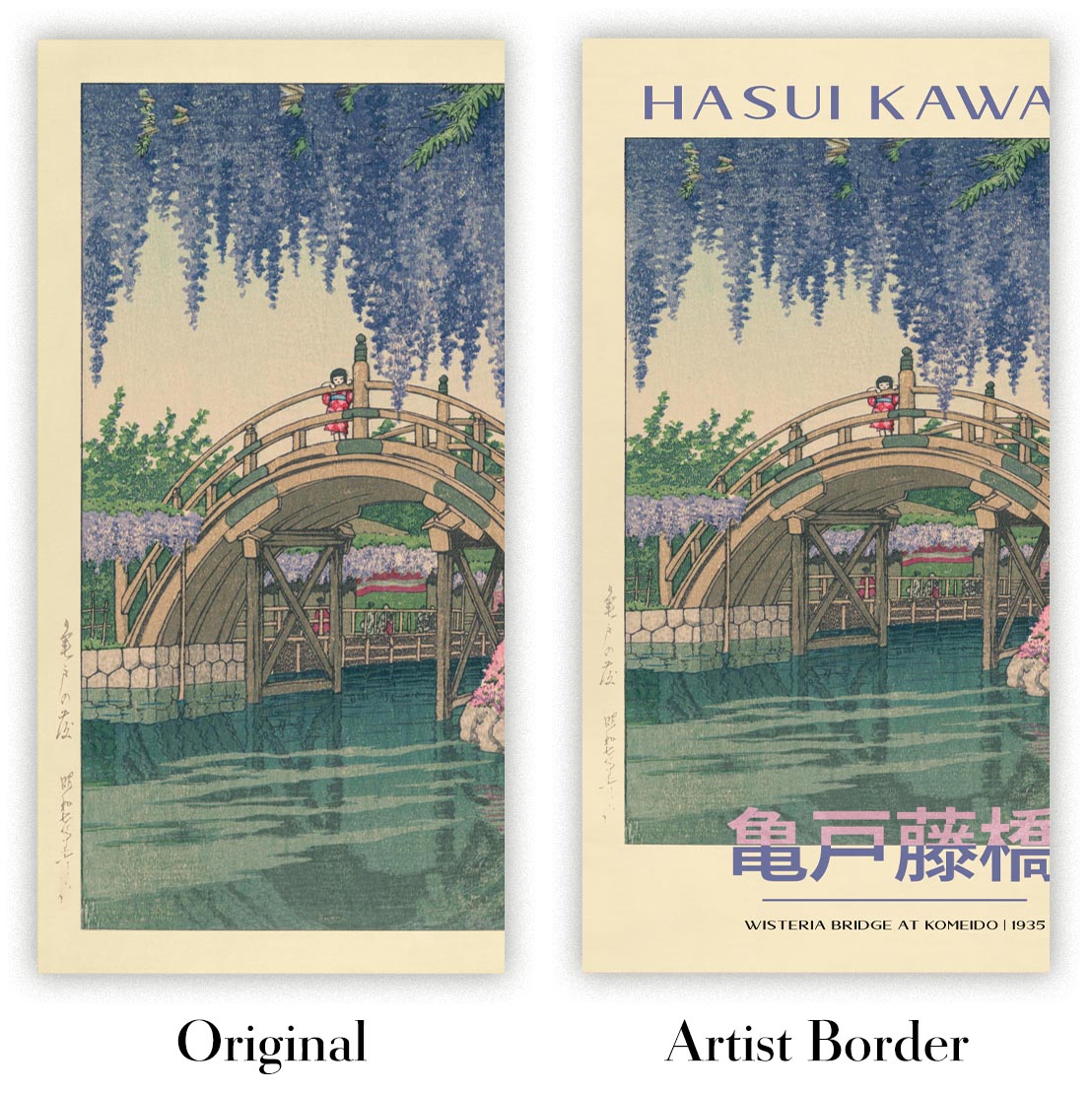
A repeating decorative frame holds the scene together, while softer indications of foliage or landscape remain subordinate in the background. Lettering occupies the upper and lower sections, integrated into the vertical hierarchy rather than treated as an afterthought. Bold event information at the foot provides a firm visual base; more flowing script above echoes the sinuous contours of the figures and ribbons. Such coordination of text, figure and ornament was central to Mucha’s achievement as a poster designer.
Context and significance
Mucha had become internationally recognised through the theatrical and commercial posters he produced in Paris during the 1890s, whose elongated figures, botanical arabesques and elaborate halos helped define the popular image of Art Nouveau. By 1926, however, he was working within a later and more explicitly Czech phase of his career. The familiar elements of his graphic vocabulary remain here—graceful contour, ornamental framing and a commanding female figure—but they have been adapted to the public symbolism of Prague’s Sokol movement.
The resulting design balances two distinct registers. Its athletes embody disciplined physical presence, while the elevated figure, flowers and circular ornament give the gathering the character of an allegorical celebration. That union of immediacy and ceremony is what makes the poster so compelling: it communicates an event clearly, yet expands its subject into a broader vision of strength, fellowship and communal identity.
Choosing the right size and finish
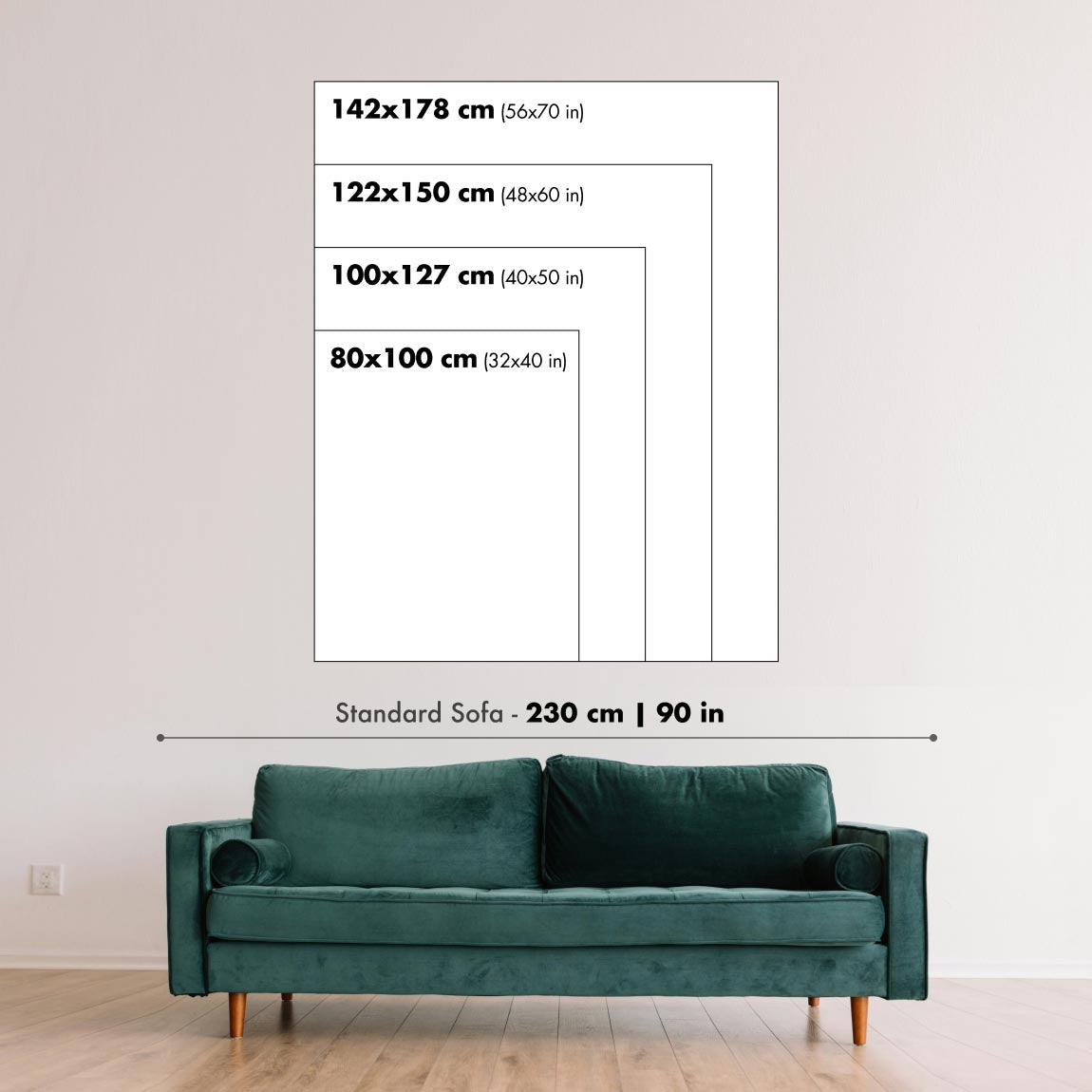
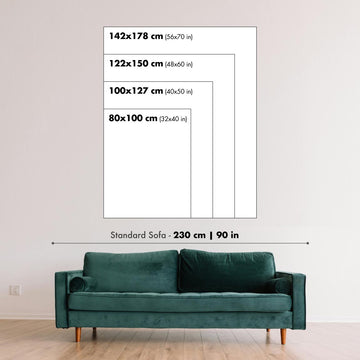
Artwork can feel intimate at smaller sizes and dramatically more architectural at larger ones. Use the room preview, model image and size guide to see how the proportions and scale will work in your space.
If you need an exact size, specialist framing or help planning a larger display, ask our workshop for advice.
The model in the listing images is holding the undefined version of this art print.
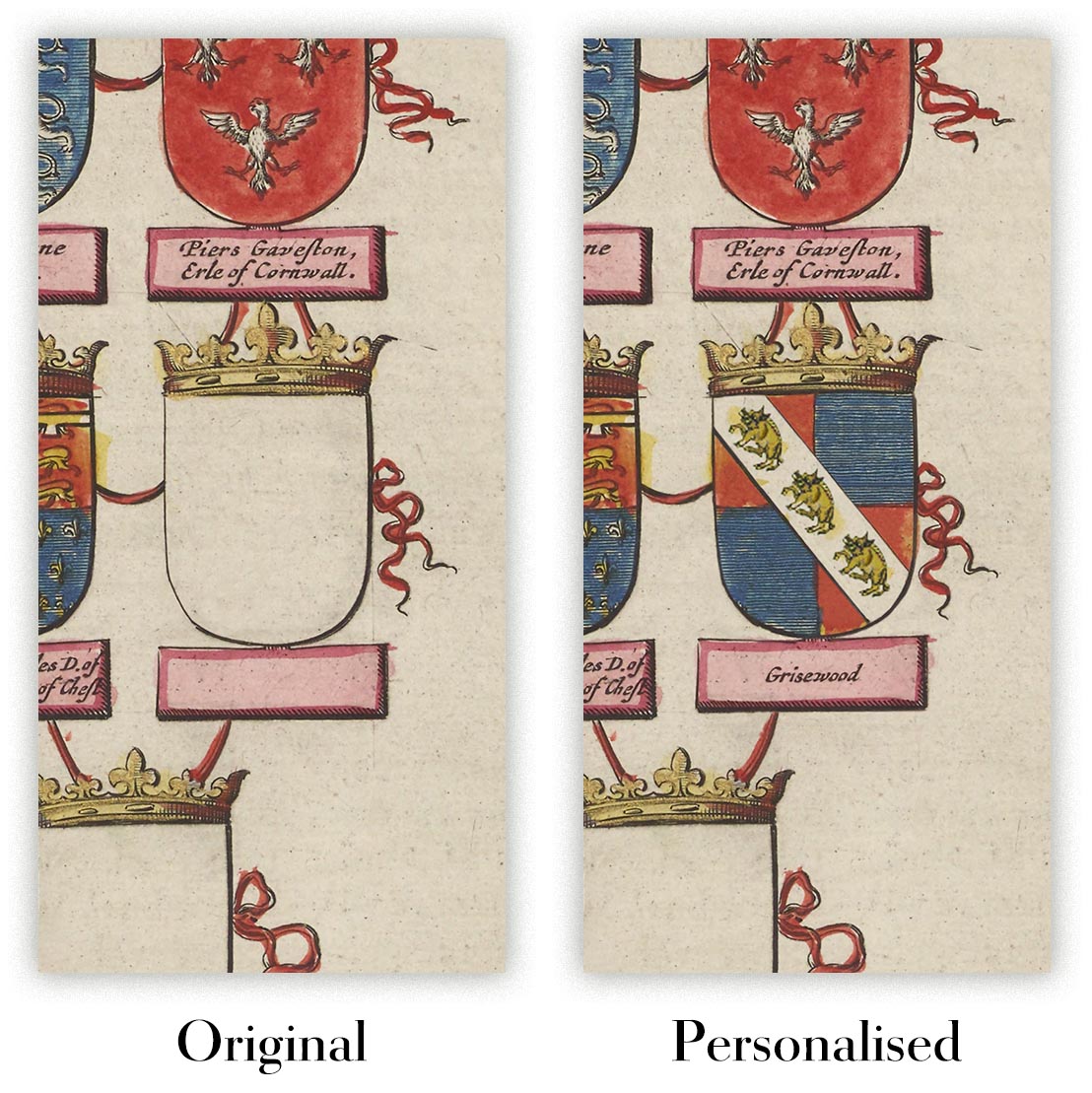
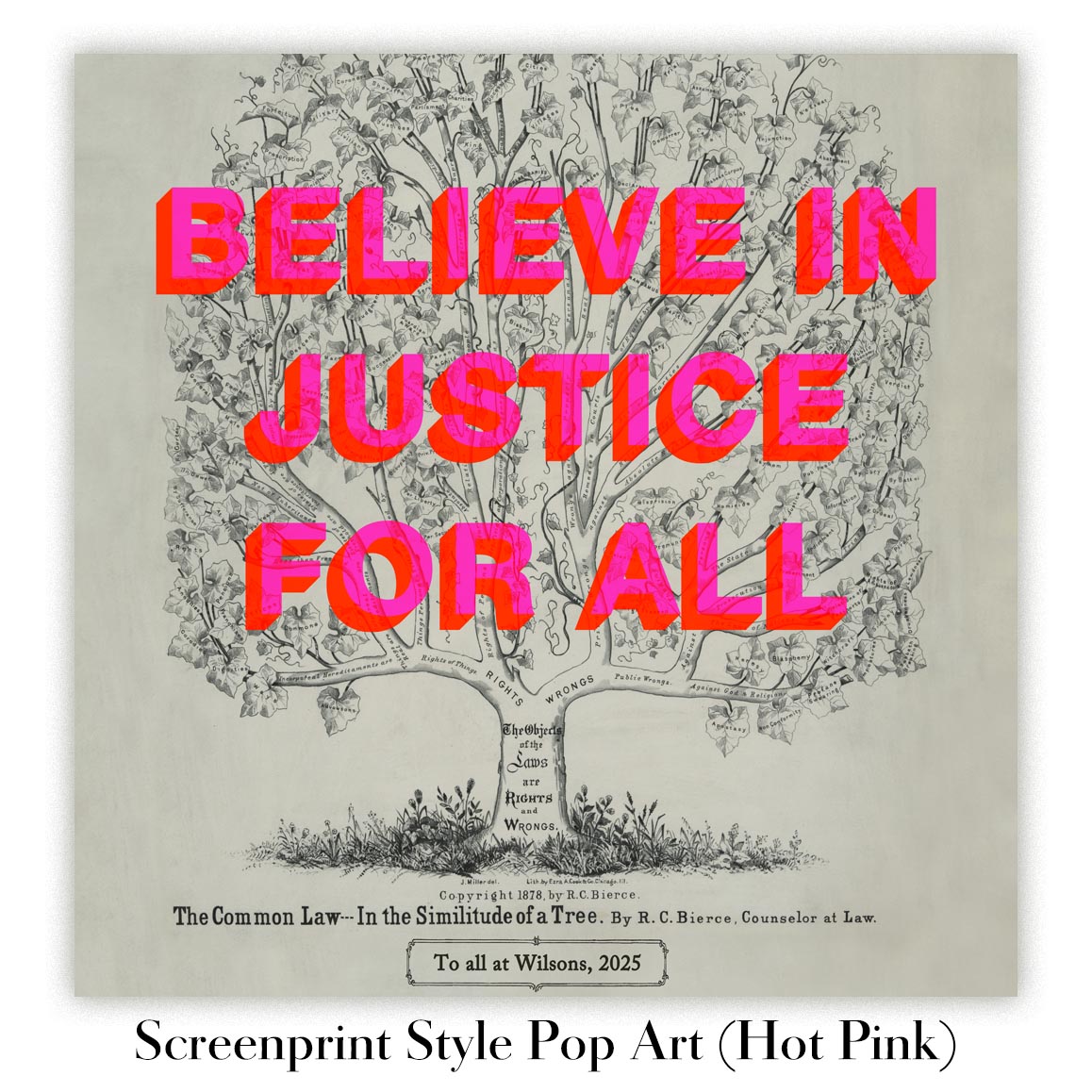
Where personalisation is available, you can add a short title or dedication, or one considered visual detail. See examples of personalised artwork.
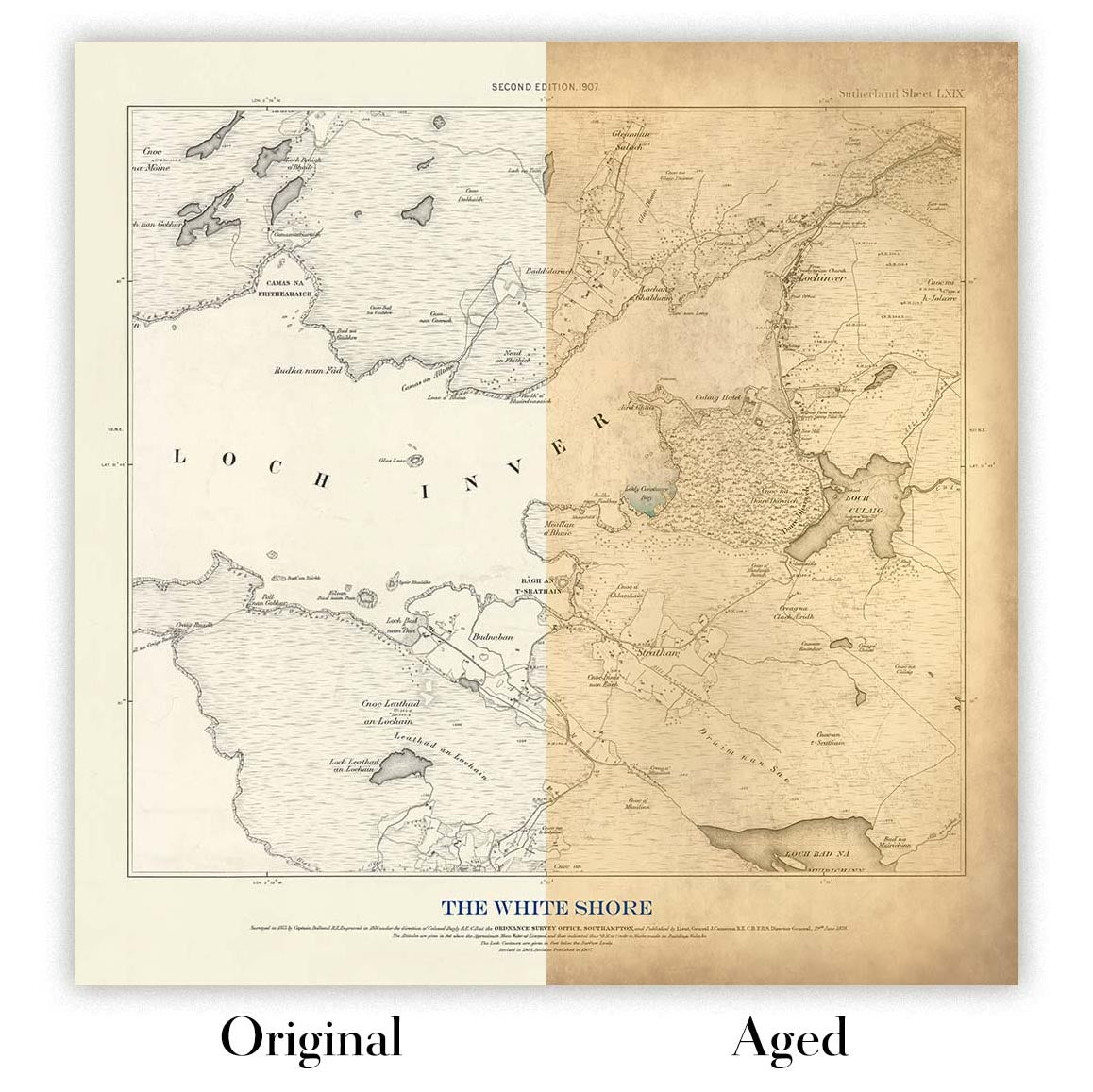
Choose Original to retain the colour and character of the source artwork, or Aged for a warmer, more antique appearance. See examples of our Aged artwork.
Every piece is produced to archival standards using fade-resistant pigment inks on acid-free matte art paper. Choose an art print, framed art print or framed canvas using the finish options above.
Framed art prints use crystal-clear optical acrylic for excellent clarity, lower weight and safer delivery than glass. Each piece arrives professionally framed and ready to hang.
Selected artworks can be produced at statement sizes up to 3 metres (10ft). Custom sizing and specialist framing are also available. If the exact option you need is not listed, contact our workshop.
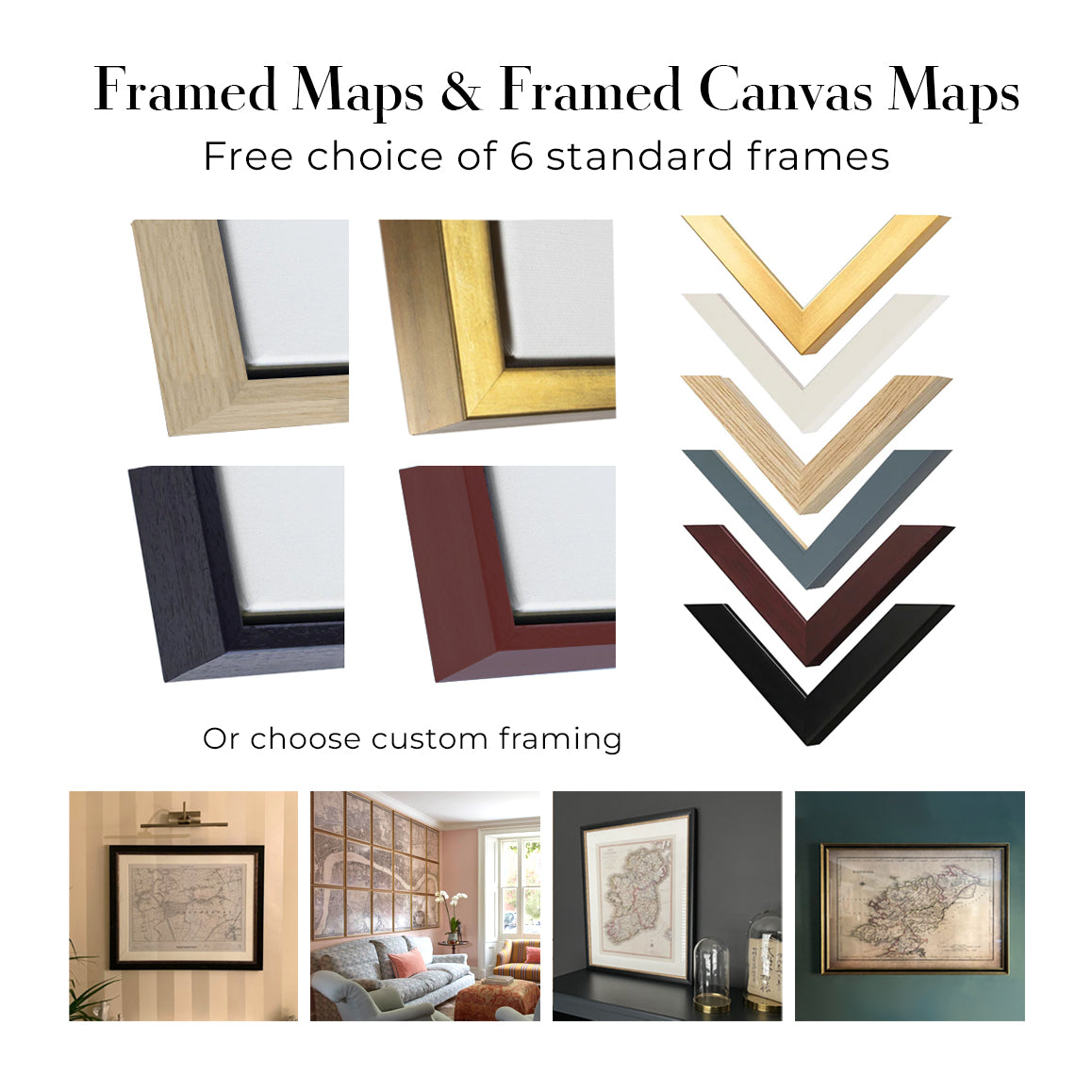
This artwork is also available as a float framed canvas, sometimes known as a shadow gap framed canvas or canvas floater. The work is printed on artist's cotton canvas and then stretched over a handmade box frame. We then "float" the canvas inside a wooden frame, which is available in a range of colours (black, dark brown, oak, antique gold and white). This is a wonderful way to present an art print without glazing in front. See some examples of float framed canvas art and explore the differences between my different finishes.
Alphonse Mucha’s Poster for The Sokol Festival in Prague, created in 1926, transforms an announcement for a public gathering into a stately civic pageant. Two athletic male figures in vivid red occupy the foreground, while a larger, robed female presence rises behind them, her uplifted hands and elaborate headdress enclosed by a circular ornamental form. Cool blues temper the warmth of the red garments and yellow accents, and the tall format gives the clustered figures an emphatic, almost processional grandeur.
The poster was designed for a gathering of Sokol, the Czech gymnastic movement founded in Prague in the nineteenth century. Sokol combined organised physical training with ideas of fellowship, civic participation and Czech national consciousness; its large festivals brought disciplined displays of exercise into the realm of public ceremony. This was therefore more than a sporting advertisement. Mucha, himself Czech, supplied the event with a visual language of collective dignity, linking athletic strength to an allegorical and richly decorative conception of national culture.
A closer look
The composition builds upwards in distinct but interconnected layers. At the front, the two men stand closely aligned, their strong silhouettes and exposed athletic forms establishing the physical character of the festival. Their saturated red clothing creates the poster’s most immediate colour accent. Behind them, flowing blue robes broaden into softer curves, setting muscular geometry against drapery that appears to move through the design. Floral motifs entwined around the central figure’s arms soften this contrast further, binding body, costume and ornament into a single rhythmic arrangement.
Above, the female figure’s raised arms direct attention towards the upper reaches of the poster. Small flowers in her headdress reward closer viewing, while the circular frame around her head lends the pose a ceremonial focus without requiring conventional pictorial depth. Curving ribbons extend this movement into the surrounding space, carrying the eye from the upper section back towards the central group. The effect is carefully controlled: every arc appears to answer another in a garment fold, floral stem or border motif.
A repeating decorative frame holds the scene together, while softer indications of foliage or landscape remain subordinate in the background. Lettering occupies the upper and lower sections, integrated into the vertical hierarchy rather than treated as an afterthought. Bold event information at the foot provides a firm visual base; more flowing script above echoes the sinuous contours of the figures and ribbons. Such coordination of text, figure and ornament was central to Mucha’s achievement as a poster designer.
Context and significance
Mucha had become internationally recognised through the theatrical and commercial posters he produced in Paris during the 1890s, whose elongated figures, botanical arabesques and elaborate halos helped define the popular image of Art Nouveau. By 1926, however, he was working within a later and more explicitly Czech phase of his career. The familiar elements of his graphic vocabulary remain here—graceful contour, ornamental framing and a commanding female figure—but they have been adapted to the public symbolism of Prague’s Sokol movement.
The resulting design balances two distinct registers. Its athletes embody disciplined physical presence, while the elevated figure, flowers and circular ornament give the gathering the character of an allegorical celebration. That union of immediacy and ceremony is what makes the poster so compelling: it communicates an event clearly, yet expands its subject into a broader vision of strength, fellowship and communal identity.
Choosing the right size and finish
Artwork can feel intimate at smaller sizes and dramatically more architectural at larger ones. Use the room preview, model image and size guide to see how the proportions and scale will work in your space.
If you need an exact size, specialist framing or help planning a larger display, ask our workshop for advice.
The model in the listing images is holding the undefined version of this art print.
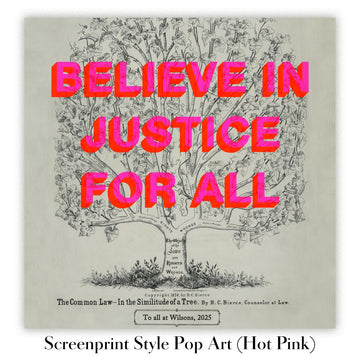
Where personalisation is available, you can add a short title or dedication, or one considered visual detail. See examples of personalised artwork.
Choose Original to retain the colour and character of the source artwork, or Aged for a warmer, more antique appearance. See examples of our Aged artwork.
Every piece is produced to archival standards using fade-resistant pigment inks on acid-free matte art paper. Choose an art print, framed art print or framed canvas using the finish options above.
Framed art prints use crystal-clear optical acrylic for excellent clarity, lower weight and safer delivery than glass. Each piece arrives professionally framed and ready to hang.
Selected artworks can be produced at statement sizes up to 3 metres (10ft). Custom sizing and specialist framing are also available. If the exact option you need is not listed, contact our workshop.
This artwork is also available as a float framed canvas, sometimes known as a shadow gap framed canvas or canvas floater. The work is printed on artist's cotton canvas and then stretched over a handmade box frame. We then "float" the canvas inside a wooden frame, which is available in a range of colours (black, dark brown, oak, antique gold and white). This is a wonderful way to present an art print without glazing in front. See some examples of float framed canvas art and explore the differences between my different finishes.
Muchos de nuestros mapas y reproducciones de arte se eligen como regalos considerados para hogares, oficinas, despachos y lugares significativos.
Elija una opción enmarcada para el regalo más sencillo, listo para colgar, o elija una lámina sin enmarcar si el destinatario prefiere seleccionar su propio marco.
Producimos los pedidos localmente en 23 países de todo el mundo, por lo que a menudo los regalos pueden realizarse cerca del destinatario. Esto ayuda a que lleguen más rápido, viajen de forma más segura y eviten sorpresas por aduanas o aranceles de importación.
- Podemos entregar directamente al destinatario
- Las piezas enmarcadas llegan listas para colgar
- Las láminas sin enmarcar se embalan cuidadosamente en un resistente tubo protector
- Casi todos los pedidos se producen localmente, para regalar de forma más rápida y segura
- Las devoluciones de 90 días dan al destinatario tiempo para decidir
Si no está seguro de qué elegir, por favor contáctenos. Podemos ayudarle a escoger el mapa, tamaño, acabado u opción de entrega adecuados.
Para la mayoría de los pedidos, el tiempo de entrega es de aproximadamente 3 días laborables. Los productos personalizados y a medida tardan más, ya que tengo que hacer la personalización y enviártelo para su aprobación, lo cual suele tardar 1 o 2 días.
Tenga en cuenta que los pedidos enmarcados muy grandes suelen tardar más en fabricarse y entregarse.
Si necesitas que tu pedido llegue para una fecha determinada, por favor contáctame antes de hacer el pedido para que podamos encontrar la mejor manera de asegurarnos de que recibas tu pedido a tiempo.
Imprimo y enmarco mapas y obras de arte en 23 países alrededor del mundo. Esto significa que tu pedido se fabricará localmente, lo que reduce el tiempo de entrega y asegura que no se dañe durante el envío. Nunca pagarás aranceles de aduana o impuestos de importación, y pondremos menos CO2 en el aire.
Todos mis mapas y impresiones artísticas están bien empaquetados y enviados en un tubo resistente si no están enmarcados, o rodeados de espuma si están enmarcados.
Intento enviar todos los pedidos dentro de 1 o 2 días después de recibir tu pedido, aunque algunos productos (como mascarillas, tazas y bolsas de tela) pueden tardar más en fabricarse.
Si seleccionas Entrega Exprés al finalizar la compra, priorizaremos tu pedido y lo enviaremos por mensajería de 1 día (Fedex, DHL, UPS, Parcelforce).
La entrega al día siguiente también está disponible en algunos países (EE. UU., Reino Unido, Singapur, EAU), pero por favor intenta hacer tu pedido temprano en el día para que podamos enviarlo a tiempo.
Mi marco estándar es un marco de madera de fresno negro estilo galería. Es simple y tiene un aspecto bastante moderno. Mi marco estándar tiene alrededor de 20 mm (0.8 in) de ancho.
Utilizo acrílico super claro (perspex/acrylite) para el vidrio del marco. Es más ligero y seguro que el vidrio, y se ve mejor, ya que la reflectividad es menor.
Seis colores de marco estándar están disponibles de forma gratuita (negro, marrón oscuro, gris oscuro, roble, blanco y oro antiguo).El enmarcado y montaje/matizado personalizado está disponible si buscas algo diferente.
La mayoría de los mapas, arte e ilustraciones también están disponibles como un lienzo enmarcado. Utilizamos lienzo de algodón mate (no brillante), lo estiramos sobre un marco de madera de caja de origen sostenible, y luego 'flotamos' la pieza dentro de un marco de madera. El resultado final es bastante hermoso, y no hay cristal que se interponga.
Todos los marcos se proporcionan "listos para colgar", con una cuerda o soportes en la parte posterior. Los marcos muy grandes tendrán placas de colgar de alta resistencia y/o un listón de montaje. Si tienes alguna pregunta, por favor ponte en contacto.
Mira algunos ejemplos de mis mapas enmarcados y mapas en lienzo enmarcados.
Alternativamente, también puedo proporcionar mapas antiguos y obras de arte en lienzo, tablero de espuma, papel de algodón y otros materiales.
Si deseas enmarcar tu mapa o obra de arte tú mismo, por favor lee mi guía de tamaños primero.
Trabajamos con diseñadores de interiores, empresas de hostelería, profesionales inmobiliarios, oficinas y compradores corporativos en piezas individuales y proyectos coordinados de mayor envergadura.
Esta obra puede adaptarse a una pared, estancia o proyecto concretos, y nuestro taller puede ayudar a coordinar las dimensiones, el material y el enmarcado antes de la producción.
- Dimensiones exactas, sobredimensionadas y a medida
- Enmarcado, montaje y materiales alternativos personalizados
- Piezas coordinadas para varias estancias o ubicaciones
- Personalización de la obra, para ajustar el color y el estilo de la pieza
- Asesoramiento sobre la obra y el enmarcado por parte de nuestro taller
- Producción local para proyectos en todo el mundo
Cada impresión artística restaurada comienza con la obra original del artista; nunca con un reemplazo generado por IA.
Nuestro estudio de Londres trabaja a partir de material de origen cuidadosamente seleccionado de museos, bibliotecas, archivos y colecciones privadas. Restauramos el deterioro por el paso del tiempo, la coloración desvaída y las imperfecciones de reproducción, preservando al mismo tiempo la composición, la pincelada, el trazo, la textura y el carácter de época del artista.
No utilizamos IA generativa para redibujar, reinterpretar ni inventar la obra. La restauración digital se emplea únicamente para recuperar y reproducir la obra original con la mayor fidelidad posible.
Una vez restaurada, la obra maestra se prepara para el tamaño y el acabado que haya elegido. Después, su pieza se imprime y, cuando se selecciona, se enmarca cerca de su destino de entrega.
Nuestras impresiones artísticas giclée utilizan papel mate de archivo libre de ácido de 200 g/m² y tintas de pigmento resistentes a la decoloración para ofrecer un acabado rico, de calidad museística. Las impresiones artísticas enmarcadas utilizan acrílico óptico cristalino y llegan listas para colgar.
También están disponibles ediciones en lienzo enmarcado y ediciones especiales sobre algodón-rag. Obtenga más información sobre nuestros materiales y acabados.
Llevamos restaurando y produciendo mapas y láminas artísticas desde 1984, y respondemos por cada pieza.
Todos los pedidos están cubiertos por nuestra garantía de 10 años y nuestra garantía de entrega sin daños. Si su pieza llega dañada, la sustituiremos o la volveremos a producir sin cargo alguno. Si cualquier otro aspecto no es correcto, contacte con nuestro equipo de taller y lo resolveremos con prontitud.
Consulte nuestra política de devoluciones y reembolsos para conocer todos los detalles.


