














Rare Old Survey Map of Ipswich, MA by Anderson, 1832: Ipswich Village, Main St, High St, Market St, Newburyport Tpke
Restaurata nel nostro laboratorio di Londra dalla mappa originale del 1832 e stampata in qualità museale. Descrizione completa
L’offerta del Collezionista
Scegli due opere idonee e ricevi il 20% di sconto su entrambe. Scegline tre e quella al prezzo più basso è in omaggio, con un risparmio massimo del 33%.
Abbina liberamente mappe standard idonee e stampe d’arte fine art. Non è richiesto alcun codice; l’offerta viene applicata automaticamente al checkout.
Sono incluse le configurazioni standard su ordinazione. Sono esclusi formati su misura, design personalizzati e lavori su commissione.
Hai bisogno di consegne a indirizzi diversi? Contattaci prima di effettuare l’ordine.L’offerta del Collezionista
Scegli due opere idonee e ricevi il 20% di sconto su entrambe. Scegline tre e quella al prezzo più basso è in omaggio, con un risparmio massimo del 33%.
Abbina liberamente mappe standard idonee e stampe d’arte fine art. Non è richiesto alcun codice; l’offerta viene applicata automaticamente al checkout.
Sono incluse le configurazioni standard su ordinazione. Sono esclusi formati su misura, design personalizzati e lavori su commissione.
Hai bisogno di consegne a indirizzi diversi? Contattaci prima di effettuare l’ordine. Restaurato a Londra • Stampato e incorniciato in Australia

Restaurata dalla mappa originale del 1832 e stampata in qualità museale. Descrizione completa
Scegli il formato
Scegli la finitura


(Maggiori informazioni)
Gift message & custom finish

If you want to add a gift message, or a finish (jigsaw, aluminium board, etc.) that is not available here, please request it in the "order note" when you check out.
Every order is custom made, so if you need the size adjusted slightly, or printed on an unusual material, just let us know. We've done thousands of custom orders over the years, so there's (almost) nothing we can't manage.
You can also contact us before you order, if you prefer!
Porta a casa un pezzo di storia
Oltre 8.000 recensioni a 5 stelle


Titled Map Of The Town Of Ipswich, County Of Essex, this 1832 survey by Philander Anderson captures the urban fabric of a...
Continua a leggereTitled Map Of The Town Of Ipswich, County Of Essex, this 1832 survey by Philander Anderson captures the urban fabric of a venerable New England community at the precise moment Massachusetts required towns to commission accurate maps. Among the earliest American lithographic town plans, it was printed by Annin, Smith & Co., in concert with Pendleton’s and in the spirit of Senefelder’s revolutionary process, yielding a document that is both technically advanced and richly informative. An ornate compass rose anchors the composition, while the inset plan of Ipswich Village deepens the portrait of civic life beyond the center. For collectors of city maps, its blend of cadastral precision and early lithographic artistry is unusually compelling.
The map’s power lies in its meticulous cadastral detail. Land ownership plots are crisply delineated and named, revealing patterns of settlement, inheritance, and municipal planning with unusual clarity. Hachures articulate the topographical relief, allowing the viewer to read the slope and contour that guided road alignments and property boundaries. Rivers, roads, and noted landmarks are carefully labeled, and the town’s limits are set off with unmistakable definition—an invaluable baseline for understanding the jurisdictional history of Ipswich within Essex County. The monochrome palette heightens legibility, letting the fine survey lines and labels convey a dense narrative of place without distraction.
As a city map, it excels in rendering the lived geography of streets and thoroughfares. Main Street and South Main organize the commercial spine, joined by Market and High Streets, where civic and mercantile life converged. Central, Washington, and River Streets thread outward to residential and waterside zones, while Essex Road, County Road, and Salem Road speak to regional exchange. The Newburyport Turnpike strides across the sheet as a purposeful artery, balanced by Topsfield Road, Argilla Road, and Mills Road, which knit together town and countryside. Pine, Pleasant, and Willow Streets register more intimate, local circulation. Together, this network illuminates the hierarchy of movement that shaped Ipswich’s economic and social rhythms.
The inset plan of Ipswich Village is a scholar’s delight and a collector’s bonus. By isolating a distinct neighborhood fabric, the inset reveals a secondary nucleus of settlement—its parcels, lanes, and connections plotted with the same care as the town center. It allows for comparative reading: how property sizes vary, how roads respond to terrain, and where civic or commercial clusters take root. This dual-scale treatment is precisely what makes a city map notable: it invites close study of neighborhoods while preserving the broader urban context, capturing the interplay between core and satellite spaces that defined early 19th-century town life.
Philander Anderson’s authorship situates the map at the forefront of a methodological shift in northeastern cartography. Responding to the Commonwealth’s 1830 mandate, Anderson unites disciplined ground survey with the reproducible clarity of lithography—an evolution realized through printers such as Annin, Smith & Co. and Pendleton’s, and indebted to Senefelder’s innovations. The result is a town plan that is both empirically rigorous and aesthetically composed, where hachured relief, labeled parcels, and precisely named streets cohere into an authoritative civic record. For connoisseurs of American city mapping, it stands as a touchstone of the era’s craft and a lucid, time-locked portrait of Ipswich at work and at home.
Streets and roads on this map
- Argilla Road
- Central Street
- County Road
- Essex Road
- High Street
- Main Street
- Market Street
- Mills Road
- Newburyport Turnpike
- Pine Street
- Pleasant Street
- River Street
- Salem Road
- South Main Street
- Topsfield Road
- Washington Street
- Willow Street
Notable Features & Landmarks
- Hachures indicating topographical relief
- Natural landmarks such as rivers and roads
- An inset plan of Ipswich Village
- Land ownership plots
- An ornate compass rose
- Labels identifying various features and landmarks
- Clear delineation of boundaries
Historical and design context
- Date of creation: 1832
- Surveyed and drawn by Philander Anderson; among the early American lithographic maps
- Printed by Annin, Smith & Co., along with Pendleton's and Senefelder
- Created during Massachusetts’s post-1830 mandate for accurate town surveys
- Monochrome design with hachures for topographical relief
- Emphasis on land ownership and topographical features reflecting early American municipal planning
- Historically significant as a key document illustrating the transition to lithographic printing techniques in early 19th-century America
- Philander Anderson recognized for advancing more accurate, detailed survey methodologies in the northeastern U.S.
Please double check the images to make sure that a specific town or place is shown on this map. You can also get in touch and ask us to check the map for you.
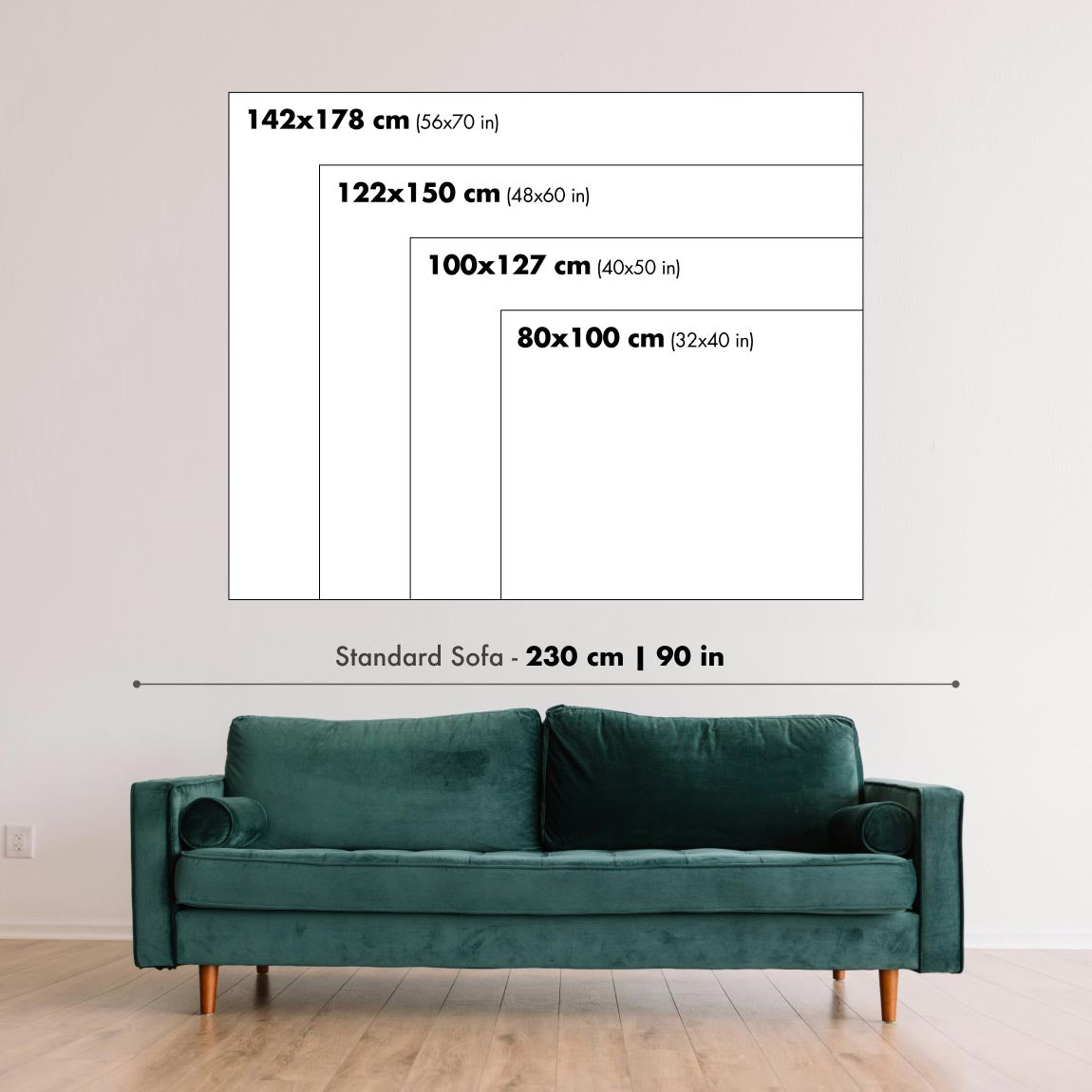
This is a very large map that must be ordered at a large size, so that you can easily make out all of the details.
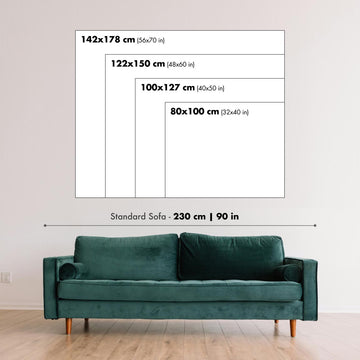
This map looks amazing at sizes all the way up to 90in (230cm). If you are looking for a larger map, please get in touch.
The model in the listing images is holding the 24x36in (60x90cm) version of this map.
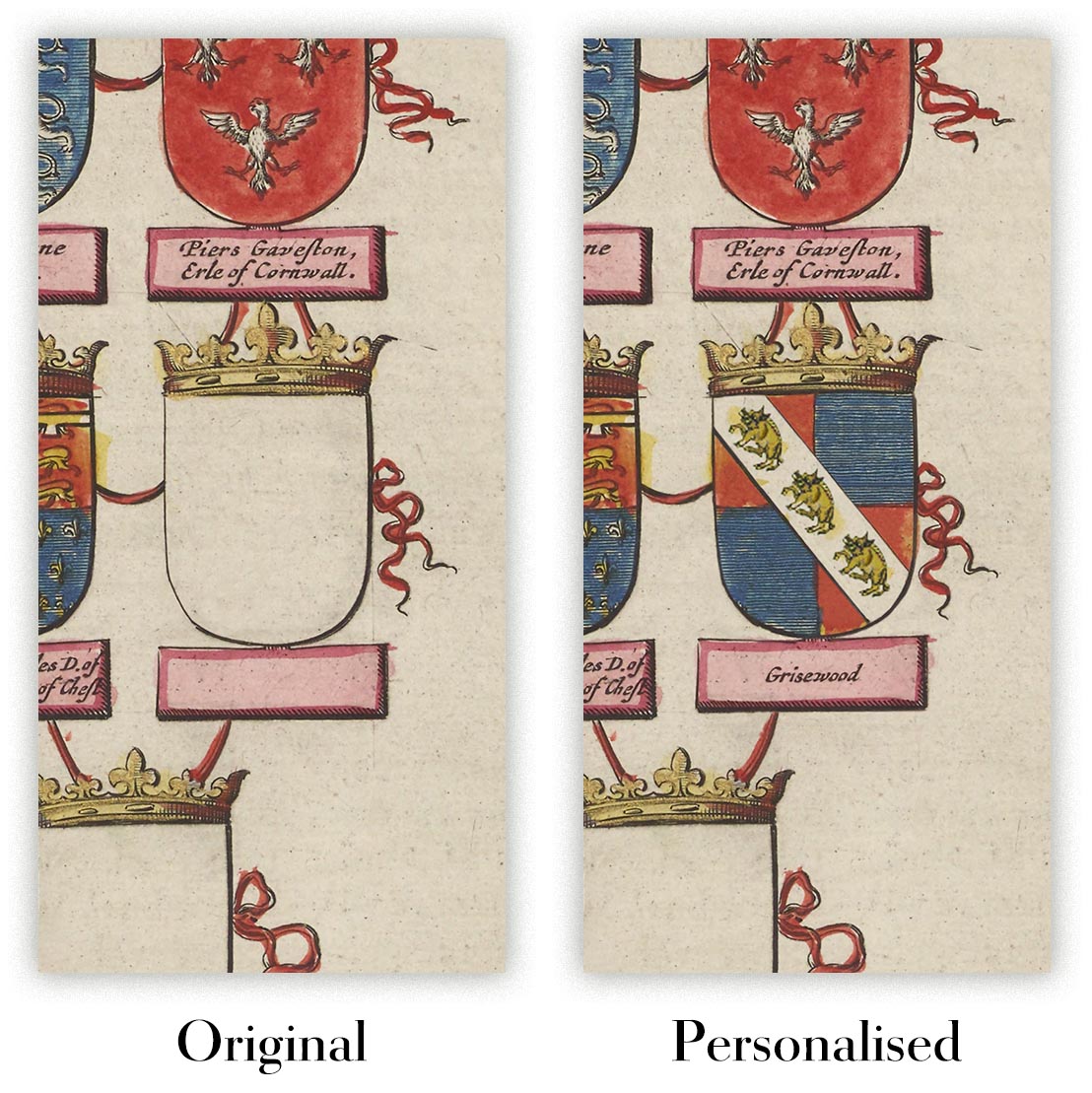
The fifth listing image shows an example of my map personalisation service.
If you’re looking for something slightly different, check out my collection of the best old maps to see if something else catches your eye.
Please contact me to check if a certain location, landmark or feature is shown on this map.
This would make a wonderful birthday, Christmas, Father's Day, work leaving, anniversary or housewarming gift for someone from the areas covered by this map.
This map is available as a giclée print on acid free archival matte paper, or you can buy it framed. The frame is a nice, simple black frame that suits most aesthetics. Please get in touch if you'd like a different frame colour or material. My frames are glazed with super-clear museum-grade acrylic (perspex/acrylite), which is significantly less reflective than glass, safer, and will always arrive in perfect condition.
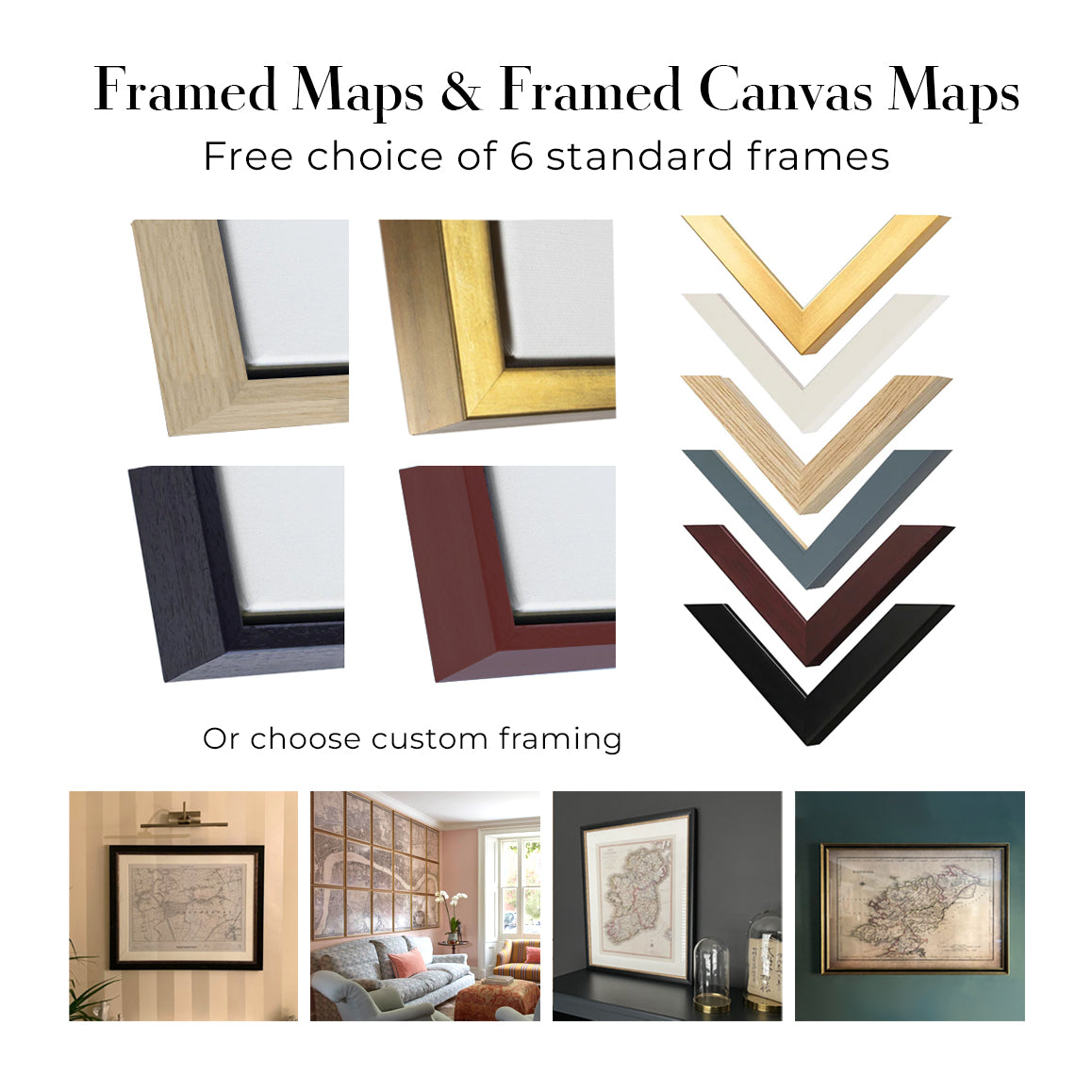
This map is also available as a float framed canvas, sometimes known as a shadow gap framed canvas or canvas floater. The map is printed on artist's cotton canvas and then stretched over a handmade box frame. We then "float" the canvas inside a wooden frame, which is available in a range of colours (black, dark brown, oak, antique gold and white). This is a wonderful way to present a map without glazing in front. See some examples of float framed canvas maps and explore the differences between my different finishes.
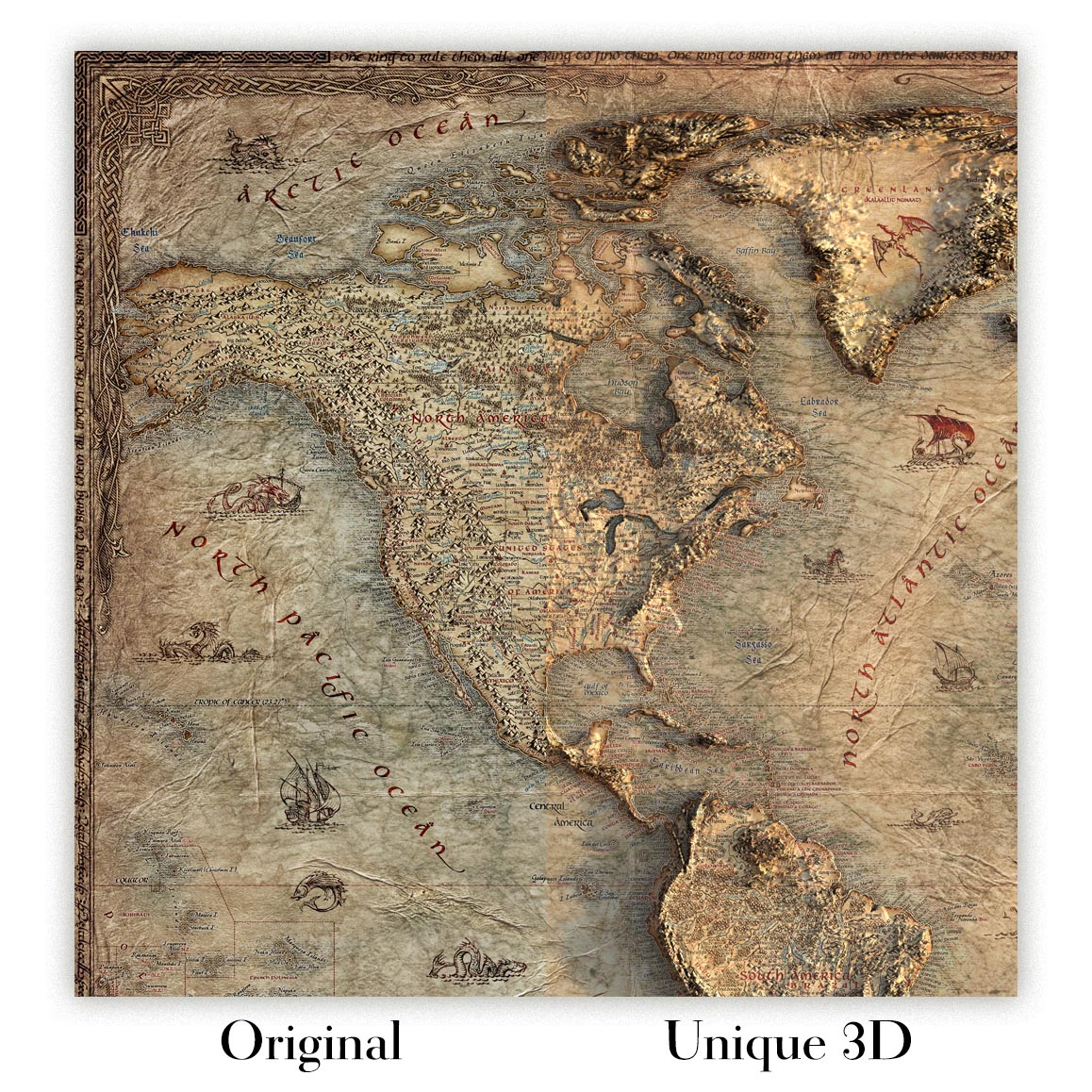
For something truly unique, this map is also available in "Unique 3D", our trademarked process that dramatically transforms the map so that it has a wonderful sense of depth. We combine the original map with detailed topography and elevation data, so that mountains and the terrain really "pop". For more info and examples of 3D maps, check my Unique 3D page.
Titled Map Of The Town Of Ipswich, County Of Essex, this 1832 survey by Philander Anderson captures the urban fabric of a venerable New England community at the precise moment Massachusetts required towns to commission accurate maps. Among the earliest American lithographic town plans, it was printed by Annin, Smith & Co., in concert with Pendleton’s and in the spirit of Senefelder’s revolutionary process, yielding a document that is both technically advanced and richly informative. An ornate compass rose anchors the composition, while the inset plan of Ipswich Village deepens the portrait of civic life beyond the center. For collectors of city maps, its blend of cadastral precision and early lithographic artistry is unusually compelling.
The map’s power lies in its meticulous cadastral detail. Land ownership plots are crisply delineated and named, revealing patterns of settlement, inheritance, and municipal planning with unusual clarity. Hachures articulate the topographical relief, allowing the viewer to read the slope and contour that guided road alignments and property boundaries. Rivers, roads, and noted landmarks are carefully labeled, and the town’s limits are set off with unmistakable definition—an invaluable baseline for understanding the jurisdictional history of Ipswich within Essex County. The monochrome palette heightens legibility, letting the fine survey lines and labels convey a dense narrative of place without distraction.
As a city map, it excels in rendering the lived geography of streets and thoroughfares. Main Street and South Main organize the commercial spine, joined by Market and High Streets, where civic and mercantile life converged. Central, Washington, and River Streets thread outward to residential and waterside zones, while Essex Road, County Road, and Salem Road speak to regional exchange. The Newburyport Turnpike strides across the sheet as a purposeful artery, balanced by Topsfield Road, Argilla Road, and Mills Road, which knit together town and countryside. Pine, Pleasant, and Willow Streets register more intimate, local circulation. Together, this network illuminates the hierarchy of movement that shaped Ipswich’s economic and social rhythms.
The inset plan of Ipswich Village is a scholar’s delight and a collector’s bonus. By isolating a distinct neighborhood fabric, the inset reveals a secondary nucleus of settlement—its parcels, lanes, and connections plotted with the same care as the town center. It allows for comparative reading: how property sizes vary, how roads respond to terrain, and where civic or commercial clusters take root. This dual-scale treatment is precisely what makes a city map notable: it invites close study of neighborhoods while preserving the broader urban context, capturing the interplay between core and satellite spaces that defined early 19th-century town life.
Philander Anderson’s authorship situates the map at the forefront of a methodological shift in northeastern cartography. Responding to the Commonwealth’s 1830 mandate, Anderson unites disciplined ground survey with the reproducible clarity of lithography—an evolution realized through printers such as Annin, Smith & Co. and Pendleton’s, and indebted to Senefelder’s innovations. The result is a town plan that is both empirically rigorous and aesthetically composed, where hachured relief, labeled parcels, and precisely named streets cohere into an authoritative civic record. For connoisseurs of American city mapping, it stands as a touchstone of the era’s craft and a lucid, time-locked portrait of Ipswich at work and at home.
Streets and roads on this map
- Argilla Road
- Central Street
- County Road
- Essex Road
- High Street
- Main Street
- Market Street
- Mills Road
- Newburyport Turnpike
- Pine Street
- Pleasant Street
- River Street
- Salem Road
- South Main Street
- Topsfield Road
- Washington Street
- Willow Street
Notable Features & Landmarks
- Hachures indicating topographical relief
- Natural landmarks such as rivers and roads
- An inset plan of Ipswich Village
- Land ownership plots
- An ornate compass rose
- Labels identifying various features and landmarks
- Clear delineation of boundaries
Historical and design context
- Date of creation: 1832
- Surveyed and drawn by Philander Anderson; among the early American lithographic maps
- Printed by Annin, Smith & Co., along with Pendleton's and Senefelder
- Created during Massachusetts’s post-1830 mandate for accurate town surveys
- Monochrome design with hachures for topographical relief
- Emphasis on land ownership and topographical features reflecting early American municipal planning
- Historically significant as a key document illustrating the transition to lithographic printing techniques in early 19th-century America
- Philander Anderson recognized for advancing more accurate, detailed survey methodologies in the northeastern U.S.
Please double check the images to make sure that a specific town or place is shown on this map. You can also get in touch and ask us to check the map for you.
This is a very large map that must be ordered at a large size, so that you can easily make out all of the details.
This map looks amazing at sizes all the way up to 90in (230cm). If you are looking for a larger map, please get in touch.
The model in the listing images is holding the 24x36in (60x90cm) version of this map.
The fifth listing image shows an example of my map personalisation service.
If you’re looking for something slightly different, check out my collection of the best old maps to see if something else catches your eye.
Please contact me to check if a certain location, landmark or feature is shown on this map.
This would make a wonderful birthday, Christmas, Father's Day, work leaving, anniversary or housewarming gift for someone from the areas covered by this map.
This map is available as a giclée print on acid free archival matte paper, or you can buy it framed. The frame is a nice, simple black frame that suits most aesthetics. Please get in touch if you'd like a different frame colour or material. My frames are glazed with super-clear museum-grade acrylic (perspex/acrylite), which is significantly less reflective than glass, safer, and will always arrive in perfect condition.
This map is also available as a float framed canvas, sometimes known as a shadow gap framed canvas or canvas floater. The map is printed on artist's cotton canvas and then stretched over a handmade box frame. We then "float" the canvas inside a wooden frame, which is available in a range of colours (black, dark brown, oak, antique gold and white). This is a wonderful way to present a map without glazing in front. See some examples of float framed canvas maps and explore the differences between my different finishes.
For something truly unique, this map is also available in "Unique 3D", our trademarked process that dramatically transforms the map so that it has a wonderful sense of depth. We combine the original map with detailed topography and elevation data, so that mountains and the terrain really "pop". For more info and examples of 3D maps, check my Unique 3D page.
Molte delle nostre mappe e stampe d’arte vengono scelte come regali premurosi per case, uffici, studi e luoghi significativi.
Scegli un’opzione incorniciata per il regalo più semplice, pronto da appendere, oppure scegli una stampa non incorniciata se il destinatario preferisce selezionare la propria cornice.
Realizziamo gli ordini localmente in 23 paesi in tutto il mondo, così i regali possono spesso essere prodotti vicino al destinatario. Questo li aiuta ad arrivare più rapidamente, a viaggiare in maggiore sicurezza e a evitare sorprese legate a dazi doganali o di importazione.
- Possiamo consegnare direttamente al destinatario
- I pezzi incorniciati arrivano pronti da appendere
- Le stampe non incorniciate sono accuratamente imballate in un robusto tubo protettivo
- Quasi ogni ordine viene realizzato localmente, per regali più rapidi e sicuri
- Il reso entro 90 giorni dà al destinatario il tempo di decidere
Se non sei sicuro di cosa scegliere, ti invitiamo a contattarci. Possiamo aiutarti a scegliere la mappa, il formato, la finitura o l’opzione di consegna più adatti.
Most orders are made locally and delivered in around 2–3 working days, depending on the product, size and destination.
We print and frame maps and artwork in 24 countries around the world, so your order is usually made close to you or your recipient. That means faster delivery, less time in transit, and no customs or import duty surprises.
Personalised and customised pieces usually take an extra 1–2 working days, because we prepare your design and send it to you for approval before printing.
Very large framed orders can take a little longer, as they need extra care in production and delivery.
Every order is carefully packaged: unframed prints are sent in a strong protective tube, while framed pieces are securely packed with protective materials around the frame.
If you need your order by a particular date, please contact us before ordering. We’ll check the best production route and delivery option for your location.
Express delivery is available at checkout for most countries. Next-day delivery is available in the UK, US, Singapore and the UAE.
Your order is covered by our 90-day returns policy and 10-year guarantee.
Our standard frame is a gallery-style black ash hardwood frame, with a simple, modern look. It is approximately 20mm (0.8in) wide. You can also view some lovely customer photos of framed maps and art.
We use super-clear acrylic glazing, also known as Perspex or Acrylite, instead of traditional glass. It is lighter, safer, and has lower reflectivity, giving the artwork a clearer, cleaner appearance.
Six standard frame colours are available at no extra cost: black, dark brown, dark grey, oak, white, and antique gold. Custom framing and mounting/matting is also available for customers looking for something more specific.
Most maps, art prints, and illustrations are also available as a framed canvas. We use matte cotton canvas, stretch it over a sustainably sourced wooden box frame, and then float the piece within a wooden outer frame. The finished result is beautifully presented, with no glazing between you and the artwork.
All frames are supplied ready to hang, with either string or brackets fitted to the back. Very large frames will include heavy-duty hanging plates and/or a mounting baton. If you have any questions, please get in touch.
We can also supply old maps and artwork on canvas, foam board, cotton rag, and other materials.
If you would prefer to frame your map or artwork yourself, please read our size guide before ordering.
Lavoriamo con interior designer, strutture ricettive, professionisti del settore immobiliare, uffici e acquirenti aziendali su singoli pezzi e su progetti coordinati di più ampia portata.
Questa mappa può essere adattata a una particolare parete, stanza o progetto, e il nostro laboratorio può aiutare a coordinare dimensioni, materiale e incorniciatura prima della produzione.
- Dimensioni precise, extra-large e su misura
- Incorniciatura, montaggio e materiali alternativi personalizzati
- Pezzi coordinati per più stanze o sedi
- Personalizzazione della mappa, per evidenziare luoghi importanti o aggiungere dettagli supplementari
- Consulenza su mappa e incorniciatura dal nostro laboratorio
- Produzione locale per progetti in tutto il mondo
Every Unique Maps piece begins with an authentic cartographic source or an original design from our London studio.
For our historic maps, we source rare originals from libraries, archives, auction houses and private collections around the world. We carefully restore each map for print—repairing age-related damage, balancing colour and improving clarity while preserving its original detail, texture and character.
Once restored, the map is prepared for your chosen size and finish. Your piece is then printed and, where selected, framed close to its delivery destination.
Our map prints use acid-free 200gsm archival matte paper and fade-resistant pigment inks, creating a rich, non-glossy finish designed to last. Framed maps use crystal-clear optical acrylic and arrive ready to hang.
Canvas, cotton-rag and other specialist presentations are also available. Learn more about our materials and finishes.
Personalising your map
You can add a short title or dedication, mark one meaningful place, or request one considered visual detail. For personalised designs, we send a proof before printing and you can request changes before approval.
For more complex bespoke commissions, contact our design team.
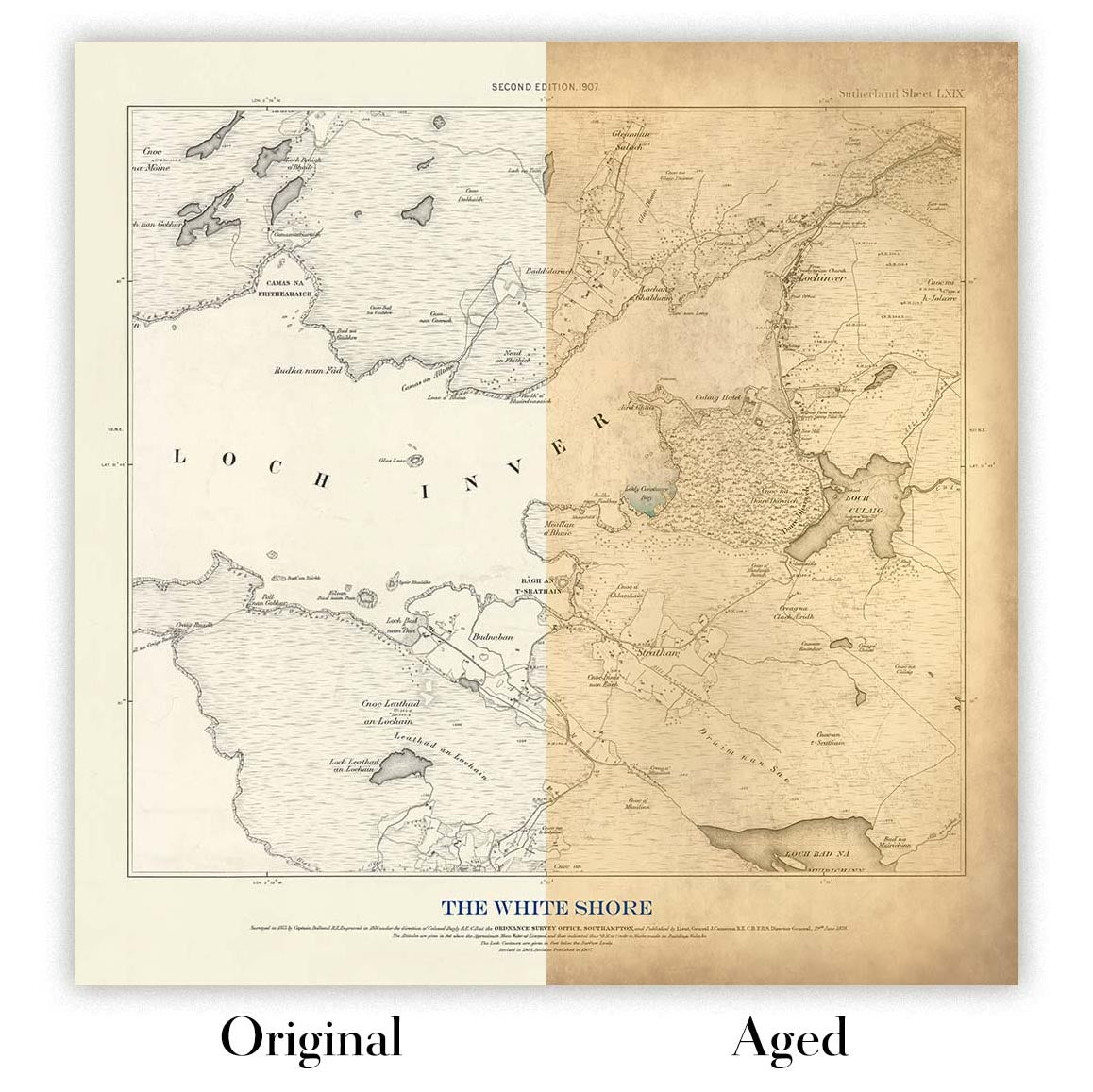
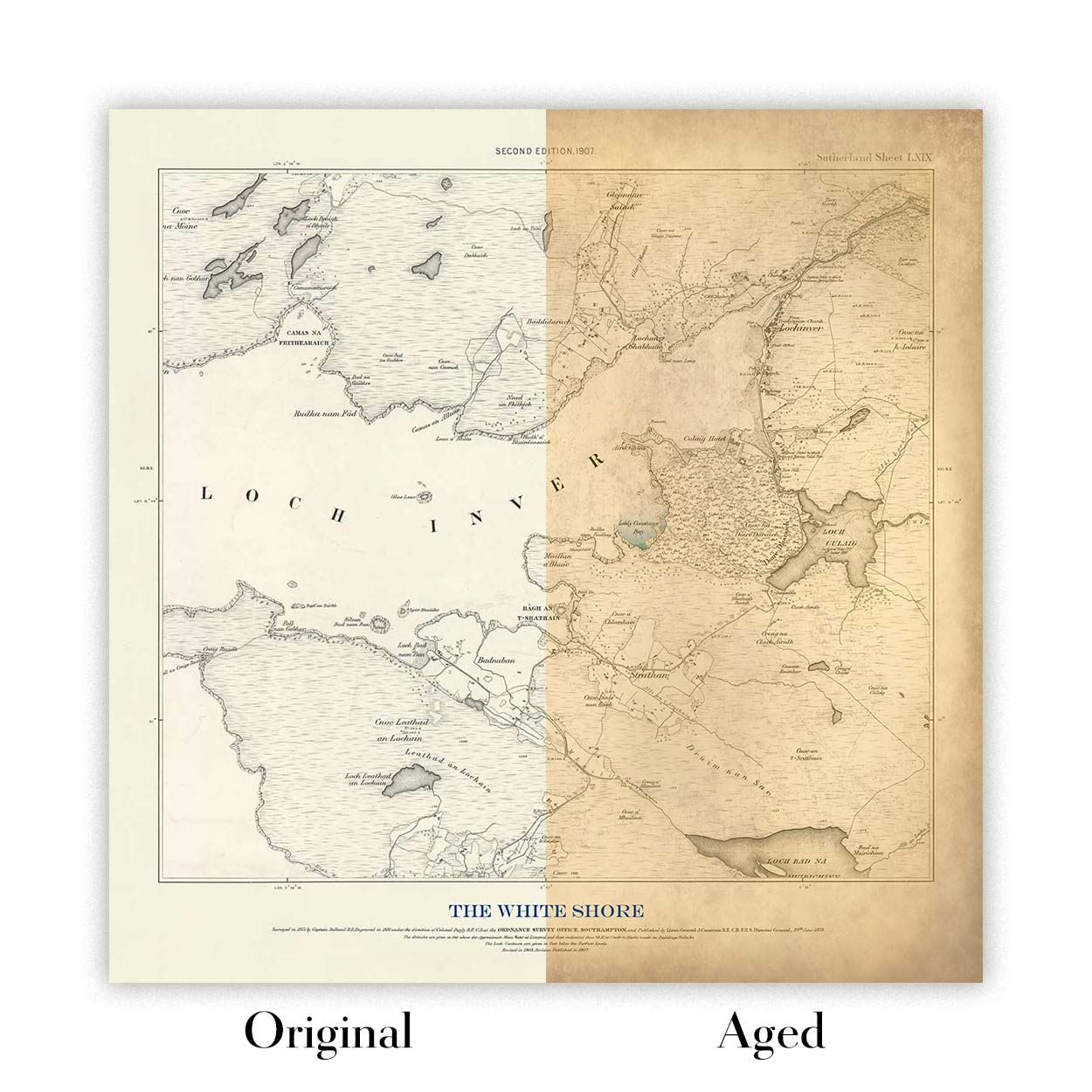
Original or Aged
Choose Original for true-to-source colour, or Aged for a warmer, richer antique character created with our specialist ageing process. See examples of our Aged maps.
Restauriamo e produciamo mappe e stampe d’arte dal 1984, e garantiamo personalmente ogni pezzo.
Ogni ordine è coperto dalla nostra garanzia di 10 anni e dalla garanzia di consegna senza danni. Se il vostro pezzo arriva danneggiato, lo sostituiremo o lo rifaremo gratuitamente. Se qualsiasi altro aspetto non fosse conforme, contattate il nostro team di laboratorio e provvederemo tempestivamente a risolvere il problema.
Per tutti i dettagli, consultate la nostra politica su resi e rimborsi.
Oppure cerca qualcosa nel negozio.


