











Rosa centifolia Bullata by Pierre Joseph Redouté, 1817
Opera d’arte autentica
L’opera d’arte che stampiamo è fedelmente restaurata dalla fonte originale - solitamente un museo, una biblioteca o una collezione privata. Non sostituiamo mai, ridisegniamo o inventiamo l’opera dell’artista usando l’IA generativa.
Consegna natalizia & regali

Invialo direttamente al destinatario
Aggiungi un messaggio regalo al carrello, quindi inserisci l’indirizzo di consegna del destinatario al checkout. Stamperemo il tuo messaggio su un biglietto. Nel pacco non sono inclusi prezzi.
Tempi di consegna
La consegna standard è gratuita in tutto il mondo e richiede solitamente circa 3 giorni lavorativi. Vuoi inviare un regalo all’estero? Realizziamo la maggior parte degli ordini localmente, nel paese del destinatario.
Per gli ordini personalizzati, prevedi tempi aggiuntivi per la progettazione e l’approvazione della bozza. Consulta i dettagli di consegna.
Resi: Gli ordini standard possono essere restituiti o cambiati entro 90 giorni dalla consegna. Gli articoli personalizzati e realizzati su misura sono generalmente esclusi dai resi per ripensamento. Consulta la nostra politica sui resi.
Saldi del Black Friday
Scegli un articolo e ottieni il 20% di sconto.
Scegli due opere e ricevi il 30% di sconto su entrambe. Puoi combinare liberamente mappe e stampe d’arte.
Non è necessario alcun codice. L’offerta viene applicata automaticamente.
Termini e condizioni completi
L’Offerta del Collezionista si applica alle opere idonee nelle configurazioni standard realizzate su ordinazione. Sono esclusi i formati su misura, i design personalizzati e i lavori su commissione. I prodotti con “personalised” o “custom” nel nome sono generalmente esclusi.
L’offerta è gestita come due sconti automatici separati: uno per i formati più piccoli e uno per i formati più grandi. Per avere diritto allo sconto, è necessario acquistare due opere idonee all’interno dello stesso gruppo di formati. Le mappe e le stampe d’arte possono essere abbinate liberamente all’interno di ciascun gruppo.
Ad esempio, due stampe idonee in formato A4 o 8 × 10 in danno diritto al 30% di sconto su entrambe. Una stampa di formato più piccolo e un’opera di formato più grande non danno diritto allo sconto se acquistate insieme, poiché gli articoli di gruppi di formati diversi non possono essere combinati per soddisfare il requisito dei due articoli.
Non è richiesto alcun codice sconto. Qualsiasi sconto idoneo viene applicato automaticamente nel carrello e al checkout.
Christmas schedule filling up. Order early.
Christmas orders & our workshop schedule
Our Christmas schedule is filling up, particularly for personalised maps and bespoke pieces. Ordering early allows time to prepare your artwork, complete any design approvals, and arrange printing and framing.
If your order requires a design preview, we’ll ask for your approval before printing. A prompt reply helps us keep your order moving through the workshop.
For standard maps and art prints, check the delivery estimate shown on the page. Larger framed orders travel more slowly through the logistics networks. Personalised and bespoke orders need time for design and approval.
Planning something more involved, or working to a particular deadline? Contact the workshop before ordering and we’ll help you check what’s possible.
Scegli il formato
Scegli la finitura


(Maggiori informazioni)
Gift message & custom finish

If you want to add a gift message, or a finish (jigsaw, aluminium board, etc.) that is not available here, please request it in the "order note" when you check out.
Every order is custom made, so if you need the size adjusted slightly, or printed on an unusual material, just let us know. We've done thousands of custom orders over the years, so there's (almost) nothing we can't manage.
You can also contact us before you order, if you prefer!
- Prodotto in Australia. Consegna sicura
- Arriva perfetto, altrimenti lo sostituiamo
-
Consegna e regali di Natale Consegna natalizia & regali
![Visualizza un esempio a grandezza naturale del biglietto con messaggio regalo stampato]()
Invialo direttamente al destinatario
Aggiungi un messaggio regalo al carrello, quindi inserisci l’indirizzo di consegna del destinatario al checkout. Stamperemo il tuo messaggio su un biglietto. Nel pacco non sono inclusi prezzi.
Tempi di consegna
La consegna standard è gratuita in tutto il mondo e richiede solitamente circa 3 giorni lavorativi. Vuoi inviare un regalo all’estero? Realizziamo la maggior parte degli ordini localmente, nel paese del destinatario.
Per gli ordini personalizzati, prevedi tempi aggiuntivi per la progettazione e l’approvazione della bozza. Consulta i dettagli di consegna.
Resi: Gli ordini standard possono essere restituiti o cambiati entro 90 giorni dalla consegna. Gli articoli personalizzati e realizzati su misura sono generalmente esclusi dai resi per ripensamento. Consulta la nostra politica sui resi.
- Serve aiuto per ordinare?
La parola ai nostri clienti
Oltre 8.000 recensioni a cinque stelle da tutto il mondo


Pierre-Joseph Redouté’s Rosa Centifolia Bullata (1817–1824), dated 1817, studies a distinctive form of the cabbage rose, Rosa centifolia. A sumptuous pink flower...
Continua a leggerePierre-Joseph Redouté’s Rosa Centifolia Bullata (1817–1824), dated 1817, studies a distinctive form of the cabbage rose, Rosa centifolia. A sumptuous pink flower occupies the centre of the composition, its densely folded petals unfurling in pale, ribbon-like layers. Around it, crisp green leaves, slender thorned stems and several compact red buds establish a graceful vertical rhythm against an unbroken cream ground.
Redouté became particularly renowned for rose studies of this kind, in which close botanical observation is balanced by an exceptional sensitivity to colour and arrangement. The work belongs to the early nineteenth-century culture of botanical illustration, when such images served horticultural and scientific interests while also being admired as refined works of art. From 1817 to 1824 Redouté published his celebrated studies of roses, documenting cultivated varieties at a time of expanding European enthusiasm for gardening and plant classification.
A closer look
The fully opened bloom is constructed through remarkably subtle tonal changes. Its outer petals are broad and softly curled, shifting from blush pink at their edges to paler, almost creamy passages where the light catches their surfaces. Towards the centre, the folds become tighter and more numerous, with deeper rose tones gathering between them. Rather than treating the flower as a flat decorative shape, Redouté makes each petal appear to overlap, turn and cast a minute shadow upon the next.
The surrounding foliage provides a firmer counterpoint to this softness. Leaves in the lower and left-hand parts of the composition are articulated by branching veins, finely worked surfaces and serrated edges. Their greens range from fresh yellow-green highlights to cooler, shadowed tones, creating a convincing impression of thickness and sheen. Gently curving brown-green stems connect the separate elements, and small visible thorns preserve the plant’s less ornamental character amid the luxuriance of the blossom.
At the upper right, the closed buds bring both colour and narrative progression to the study: one sees the rose not only at its fullest moment, but also in earlier stages of development. Their compact, reddish forms contrast with the expansive central flower, while overlapping leaves create a shallow but persuasive sense of depth. Beneath the specimen, the inscription reads “Rosa centifolia Bullata. Rosier à feuilles de Laitue”, identifying it in Latin and in French as the lettuce-leaved rose.
Context and significance
Redouté’s achievement lies in making botanical information unusually pleasurable to study. The pale ground removes any suggestion of landscape or garden setting, allowing the plant’s structure to remain completely legible: the relationship of bud to flower, the distribution of leaves, the curvature of the stems and the characteristic texture of the foliage can all be examined without distraction. Yet the arrangement is never merely diagrammatic. Its asymmetrical branching, varied intervals and carefully judged overlaps give the specimen the poise of a floral portrait.
This union of accuracy and elegance helps explain Redouté’s enduring place in the history of botanical art. Rosa Centifolia Bullata records a particular cultivated rose while preserving the sensory qualities that make it compelling: the apparent softness of crowded petals, the tautness of unopened buds and the glossy resilience of thorn-bearing leaves. It remains as rewarding to gardeners and students of natural history as it is to admirers of early nineteenth-century illustration.
Choosing the right size and finish
Artwork can feel intimate at smaller sizes and dramatically more architectural at larger ones. Use the room preview, model image and size guide to see how the proportions and scale will work in your space.
If you need an exact size, specialist framing or help planning a larger display, ask our workshop for advice.
The model in the listing images is holding the 18x24in (45x60cm) version of this art print.
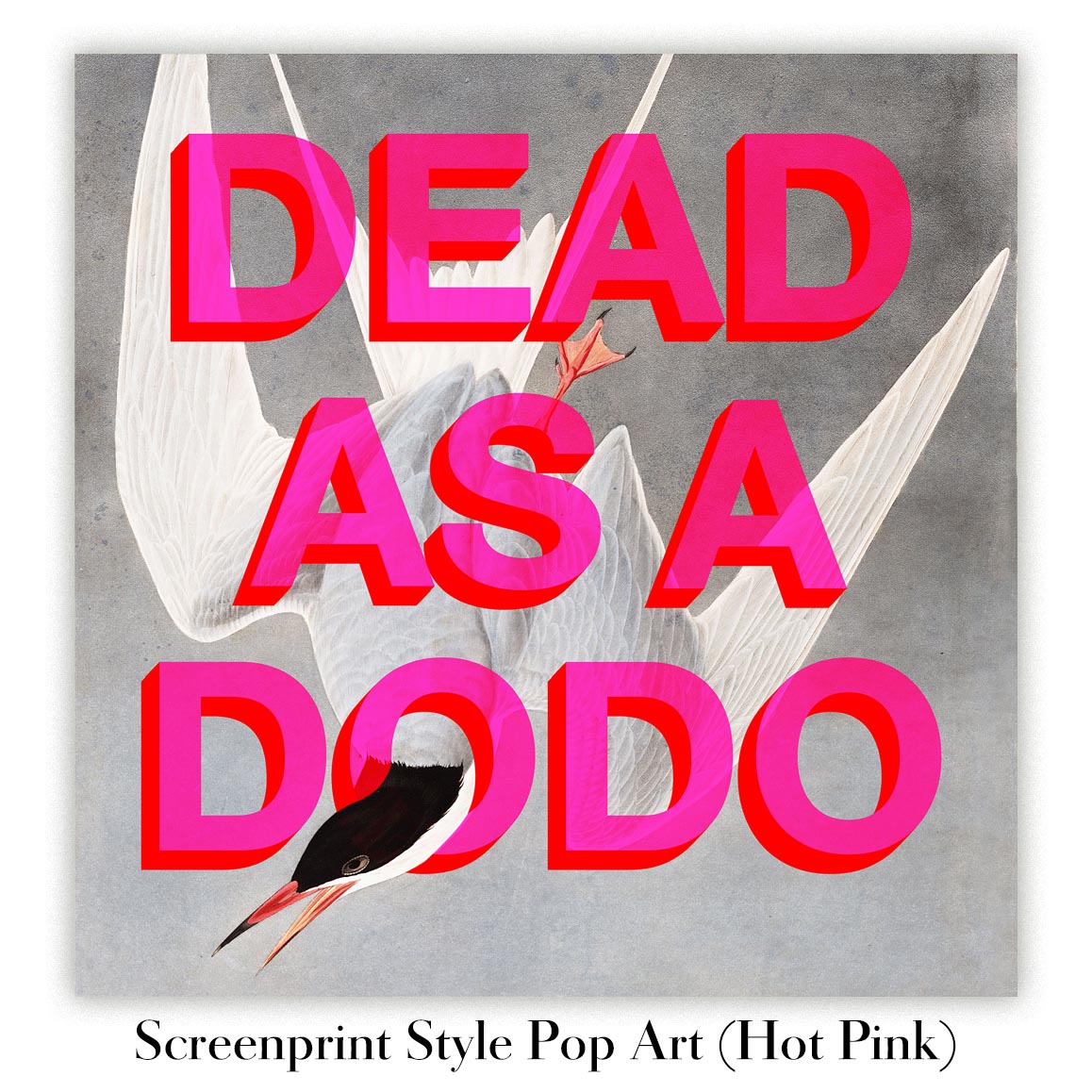
Where personalisation is available, you can add a short title or dedication, or one considered visual detail. See examples of personalised artwork.
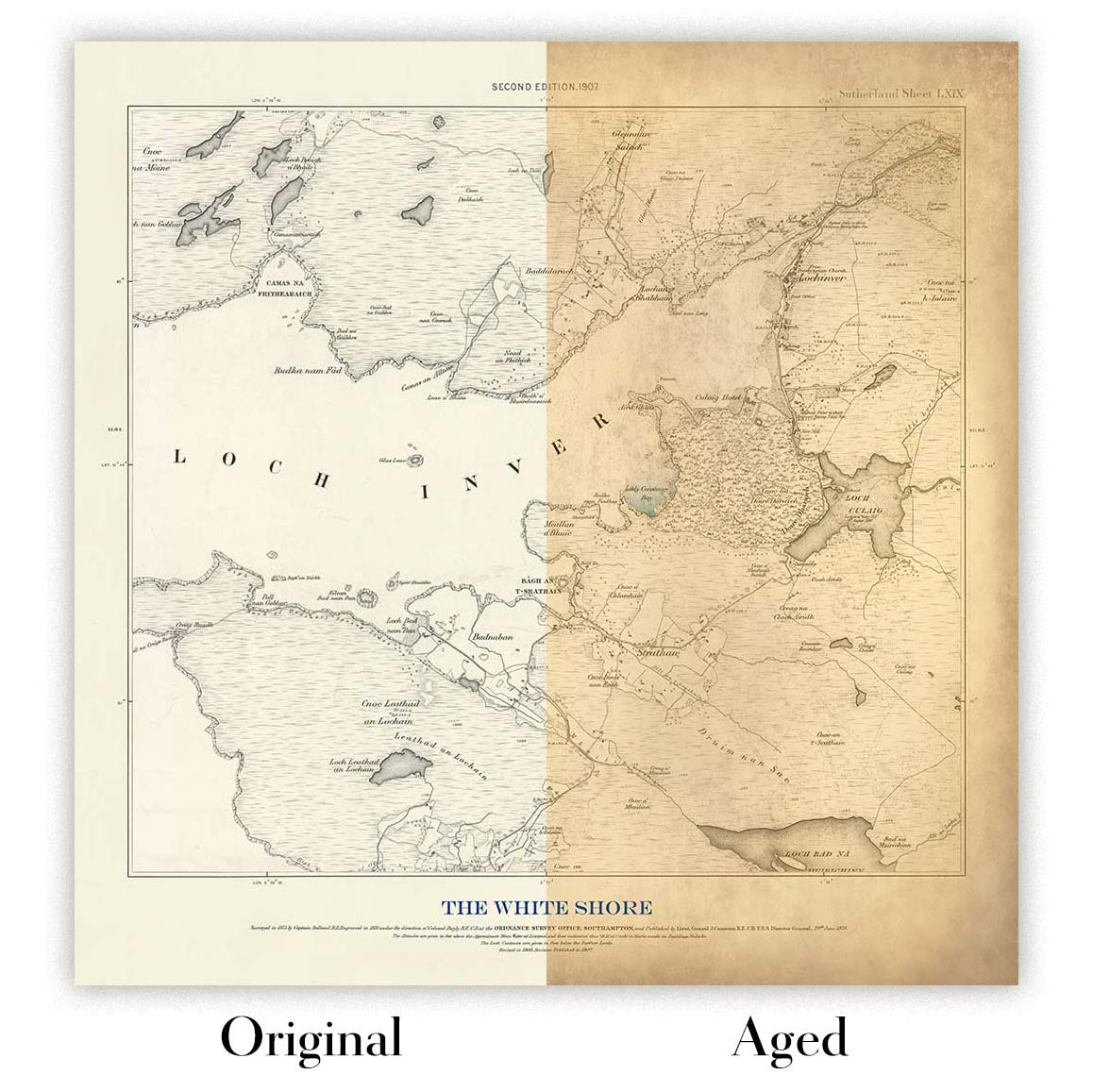
Choose Original to retain the colour and character of the source artwork, or Aged for a warmer, more antique appearance. See examples of our Aged artwork.
Every piece is produced to archival standards using fade-resistant pigment inks on acid-free matte art paper. Choose an art print, framed art print or framed canvas using the finish options above.
Framed art prints use crystal-clear optical acrylic for excellent clarity, lower weight and safer delivery than glass. Each piece arrives professionally framed and ready to hang.
Selected artworks can be produced at statement sizes up to 3 metres (10ft). Custom sizing and specialist framing are also available. If the exact option you need is not listed, contact our workshop.
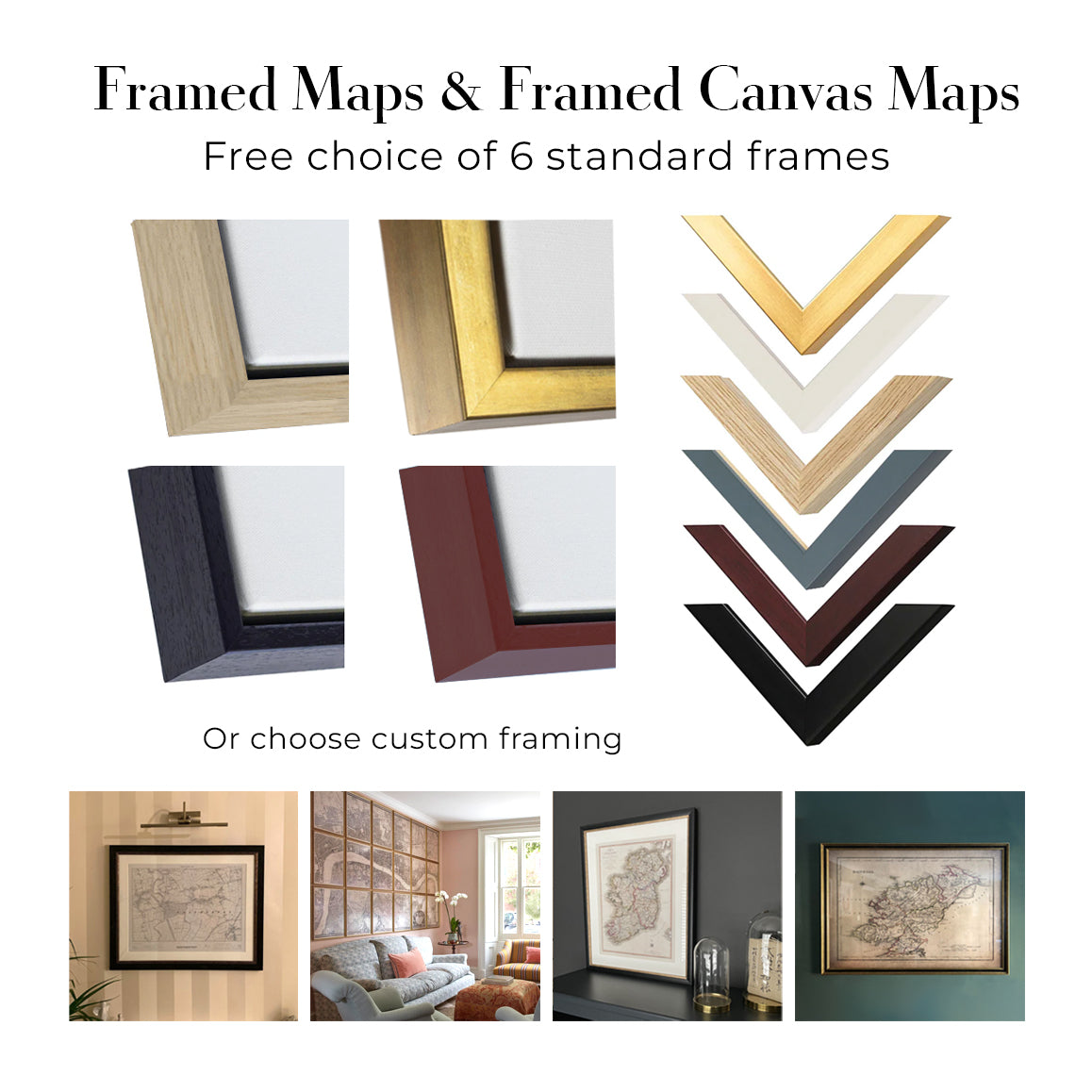
This artwork is also available as a float framed canvas, sometimes known as a shadow gap framed canvas or canvas floater. The work is printed on artist's cotton canvas and then stretched over a handmade box frame. We then "float" the canvas inside a wooden frame, which is available in a range of colours (black, dark brown, oak, antique gold and white). This is a wonderful way to present an art print without glazing in front. See some examples of float framed canvas art and explore the differences between my different finishes.
Pierre-Joseph Redouté’s Rosa Centifolia Bullata (1817–1824), dated 1817, studies a distinctive form of the cabbage rose, Rosa centifolia. A sumptuous pink flower occupies the centre of the composition, its densely folded petals unfurling in pale, ribbon-like layers. Around it, crisp green leaves, slender thorned stems and several compact red buds establish a graceful vertical rhythm against an unbroken cream ground.
Redouté became particularly renowned for rose studies of this kind, in which close botanical observation is balanced by an exceptional sensitivity to colour and arrangement. The work belongs to the early nineteenth-century culture of botanical illustration, when such images served horticultural and scientific interests while also being admired as refined works of art. From 1817 to 1824 Redouté published his celebrated studies of roses, documenting cultivated varieties at a time of expanding European enthusiasm for gardening and plant classification.
A closer look
The fully opened bloom is constructed through remarkably subtle tonal changes. Its outer petals are broad and softly curled, shifting from blush pink at their edges to paler, almost creamy passages where the light catches their surfaces. Towards the centre, the folds become tighter and more numerous, with deeper rose tones gathering between them. Rather than treating the flower as a flat decorative shape, Redouté makes each petal appear to overlap, turn and cast a minute shadow upon the next.
The surrounding foliage provides a firmer counterpoint to this softness. Leaves in the lower and left-hand parts of the composition are articulated by branching veins, finely worked surfaces and serrated edges. Their greens range from fresh yellow-green highlights to cooler, shadowed tones, creating a convincing impression of thickness and sheen. Gently curving brown-green stems connect the separate elements, and small visible thorns preserve the plant’s less ornamental character amid the luxuriance of the blossom.
At the upper right, the closed buds bring both colour and narrative progression to the study: one sees the rose not only at its fullest moment, but also in earlier stages of development. Their compact, reddish forms contrast with the expansive central flower, while overlapping leaves create a shallow but persuasive sense of depth. Beneath the specimen, the inscription reads “Rosa centifolia Bullata. Rosier à feuilles de Laitue”, identifying it in Latin and in French as the lettuce-leaved rose.
Context and significance
Redouté’s achievement lies in making botanical information unusually pleasurable to study. The pale ground removes any suggestion of landscape or garden setting, allowing the plant’s structure to remain completely legible: the relationship of bud to flower, the distribution of leaves, the curvature of the stems and the characteristic texture of the foliage can all be examined without distraction. Yet the arrangement is never merely diagrammatic. Its asymmetrical branching, varied intervals and carefully judged overlaps give the specimen the poise of a floral portrait.
This union of accuracy and elegance helps explain Redouté’s enduring place in the history of botanical art. Rosa Centifolia Bullata records a particular cultivated rose while preserving the sensory qualities that make it compelling: the apparent softness of crowded petals, the tautness of unopened buds and the glossy resilience of thorn-bearing leaves. It remains as rewarding to gardeners and students of natural history as it is to admirers of early nineteenth-century illustration.
Choosing the right size and finish
Artwork can feel intimate at smaller sizes and dramatically more architectural at larger ones. Use the room preview, model image and size guide to see how the proportions and scale will work in your space.
If you need an exact size, specialist framing or help planning a larger display, ask our workshop for advice.
The model in the listing images is holding the 18x24in (45x60cm) version of this art print.
Where personalisation is available, you can add a short title or dedication, or one considered visual detail. See examples of personalised artwork.
Choose Original to retain the colour and character of the source artwork, or Aged for a warmer, more antique appearance. See examples of our Aged artwork.
Every piece is produced to archival standards using fade-resistant pigment inks on acid-free matte art paper. Choose an art print, framed art print or framed canvas using the finish options above.
Framed art prints use crystal-clear optical acrylic for excellent clarity, lower weight and safer delivery than glass. Each piece arrives professionally framed and ready to hang.
Selected artworks can be produced at statement sizes up to 3 metres (10ft). Custom sizing and specialist framing are also available. If the exact option you need is not listed, contact our workshop.
This artwork is also available as a float framed canvas, sometimes known as a shadow gap framed canvas or canvas floater. The work is printed on artist's cotton canvas and then stretched over a handmade box frame. We then "float" the canvas inside a wooden frame, which is available in a range of colours (black, dark brown, oak, antique gold and white). This is a wonderful way to present an art print without glazing in front. See some examples of float framed canvas art and explore the differences between my different finishes.
Molte delle nostre mappe e stampe d'arte sono scelte come regali premurosi per case, uffici, studi e luoghi significativi.
Scegli un'opzione incorniciata per il regalo più semplice, pronto da appendere, oppure scegli una stampa non incorniciata se il destinatario preferisce selezionare la propria cornice.
Realizziamo gli ordini localmente in 24 paesi nel mondo, così i regali possono spesso essere prodotti vicino al destinatario. Questo aiuta a farli arrivare più rapidamente, viaggiare in modo più sicuro ed evitare sorprese legate a dogana o dazi d'importazione.
- Possiamo consegnare direttamente al destinatario. Non sono incluse informazioni sui prezzi.
- È possibile aggiungere un messaggio regalo al tuo ordine. Lo stamperemo su un elegante biglietto.
- I pezzi incorniciati arrivano pronti da appendere
- Le stampe non incorniciate sono imballate con cura in un resistente tubo protettivo
- Quasi ogni ordine viene realizzato localmente, per regali più rapidi e sicuri
- Il reso entro 90 giorni dà al destinatario il tempo di decidere
Se non sei sicuro di cosa scegliere, contattaci. Possiamo aiutarti a scegliere la mappa, il formato, la finitura o l'opzione di consegna più adatti.
Most orders are made locally and delivered in around 2–3 working days, depending on the product, size and destination.
We print and frame maps and artwork in 24 countries around the world, so your order is usually made close to you or your recipient. That means faster delivery, less time in transit, and no customs or import duty surprises.
Personalised and customised pieces usually take an extra 1–2 working days, because we prepare your design and send it to you for approval before printing.
Very large framed orders can take a little longer, as they need extra care in production and delivery.
Every order is carefully packaged: unframed prints are sent in a strong protective tube, while framed pieces are securely packed with protective materials around the frame.
If you need your order by a particular date, please contact us before ordering. We’ll check the best production route and delivery option for your location.
Express delivery is available at checkout for most countries. Next-day delivery is available in the UK, US, Singapore and the UAE.
Your order is covered by our 90-day returns policy and 10-year guarantee.
Our standard frame is a gallery-style black ash hardwood frame, with a simple, modern look. It is approximately 20mm (0.8in) wide. You can also view some lovely customer photos of framed maps and art.
We use super-clear acrylic glazing, also known as Perspex or Acrylite, instead of traditional glass. It is lighter, safer, and has lower reflectivity, giving the artwork a clearer, cleaner appearance.
Six standard frame colours are available at no extra cost: black, dark brown, dark grey, oak, white, and antique gold. Custom framing and mounting/matting is also available for customers looking for something more specific.
Most maps, art prints, and illustrations are also available as a framed canvas. We use matte cotton canvas, stretch it over a sustainably sourced wooden box frame, and then float the piece within a wooden outer frame. The finished result is beautifully presented, with no glazing between you and the artwork.
All frames are supplied ready to hang, with either string or brackets fitted to the back. Very large frames will include heavy-duty hanging plates and/or a mounting baton. If you have any questions, please get in touch.
We can also supply old maps and artwork on canvas, foam board, cotton rag, and other materials.
If you would prefer to frame your map or artwork yourself, please read our size guide before ordering.
Lavoriamo con interior designer, realtà del settore hospitality, professionisti del settore immobiliare, uffici e acquirenti aziendali per singoli pezzi e progetti coordinati di più ampia portata.
Quest'opera può essere adattata a una specifica parete, stanza o progetto e il nostro laboratorio può aiutare a coordinare dimensioni, materiale e incorniciatura prima della produzione.
- Dimensioni precise, extra-large e su misura
- Incorniciatura personalizzata, montaggio e materiali alternativi
- Pezzi coordinati per più stanze o sedi
- Personalizzazione dell'opera, per regolarne il colore e lo stile
- Consulenza su arte e incorniciatura da parte del nostro laboratorio
- Produzione locale per progetti in tutto il mondo
Ogni stampa artistica restaurata inizia dall’opera originale dell’artista—mai da una sostituzione generata dall’IA.
Il nostro studio di Londra lavora a partire da materiali di origine accuratamente selezionati da musei, biblioteche, archivi e collezioni private. Restauriamo i danni dovuti all’età, i colori sbiaditi e le imperfezioni di riproduzione, preservando al contempo la composizione, il tratto del pennello, il segno, la texture e il carattere d’epoca dell’artista.
Non utilizziamo l’IA generativa per ridisegnare, reinterpretare o inventare l’opera. Il restauro digitale viene impiegato solo per recuperare e riprodurre l’opera originale nel modo più fedele possibile.
Una volta restaurata, l’opera master viene preparata per il formato e la finitura da te scelti. Il tuo pezzo viene quindi stampato e, se selezionato, incorniciato vicino alla destinazione di consegna.
Le nostre stampe artistiche giclée utilizzano carta opaca archivistica senza acidi da 200 g/m² e inchiostri pigmentati resistenti allo sbiadimento, per una finitura ricca e di qualità museale. Le stampe artistiche incorniciate utilizzano acrilico ottico cristallino e arrivano pronte da appendere.
Sono disponibili anche tele incorniciate ed edizioni speciali su cotone-rag. Scopri di più sui nostri materiali e finiture.
Restauriamo e produciamo mappe e stampe d’arte dal 1984, e garantiamo personalmente ogni pezzo.
Ogni ordine è coperto dalla nostra garanzia di 10 anni e dalla garanzia di consegna senza danni. Se il vostro pezzo arriva danneggiato, lo sostituiremo o lo rifaremo gratuitamente. Se qualsiasi altro aspetto non fosse conforme, contattate il nostro team di laboratorio e provvederemo tempestivamente a risolvere il problema.
Per tutti i dettagli, consultate la nostra politica su resi e rimborsi.


